Custom roll-end tuck-top corrugated mailer boxes combine a self-locking presentation format with the protective structure needed for e-commerce, subscription, gift, and PR-kit packaging. Dimensions, board grade, print coverage, inserts, finishes, order quantity, production time, and shipping performance must be quoted and validated against the actual packed product.
Who Are These Custom Corrugated Mailer Boxes Designed For?↑
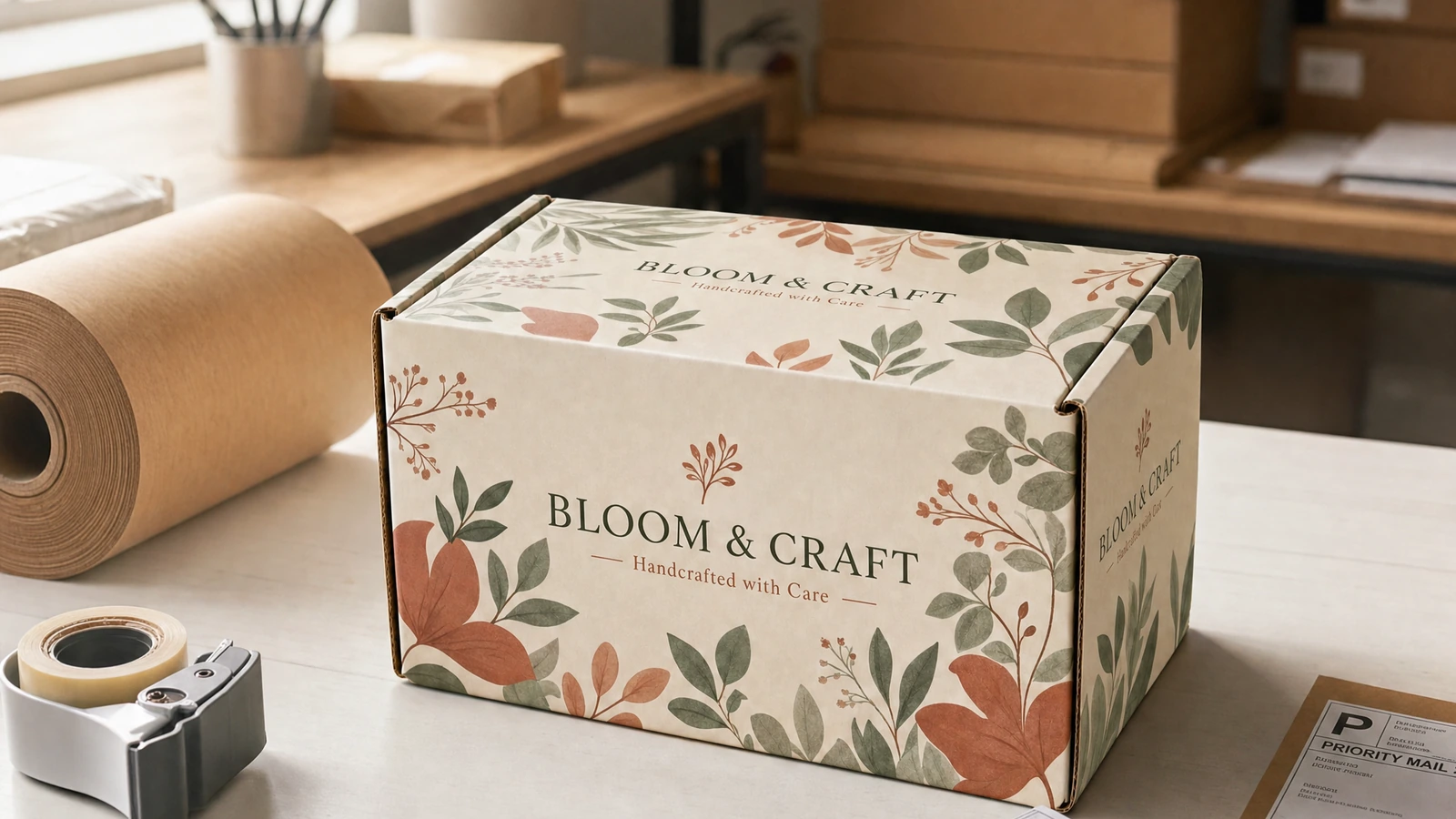
These boxes are intended for DTC brands, online retailers, subscription-box operators, Etsy sellers, corporate gift suppliers, and other businesses that need one package to perform two jobs: protect the product and present the brand. Typical applications include apparel, cosmetics, accessories, books, stationery, packaged gifts, small electronics, promotional kits, and curated product sets.
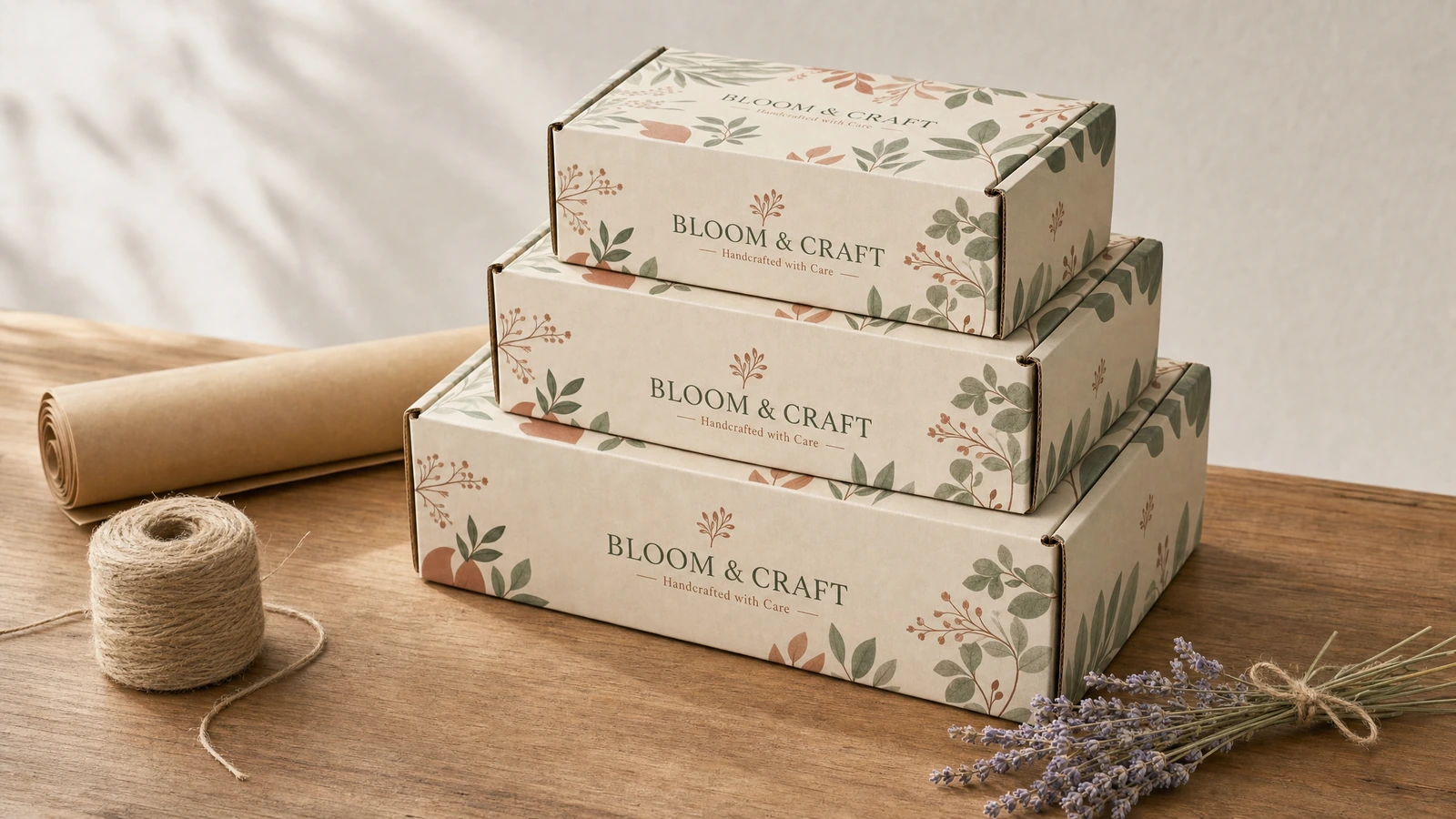
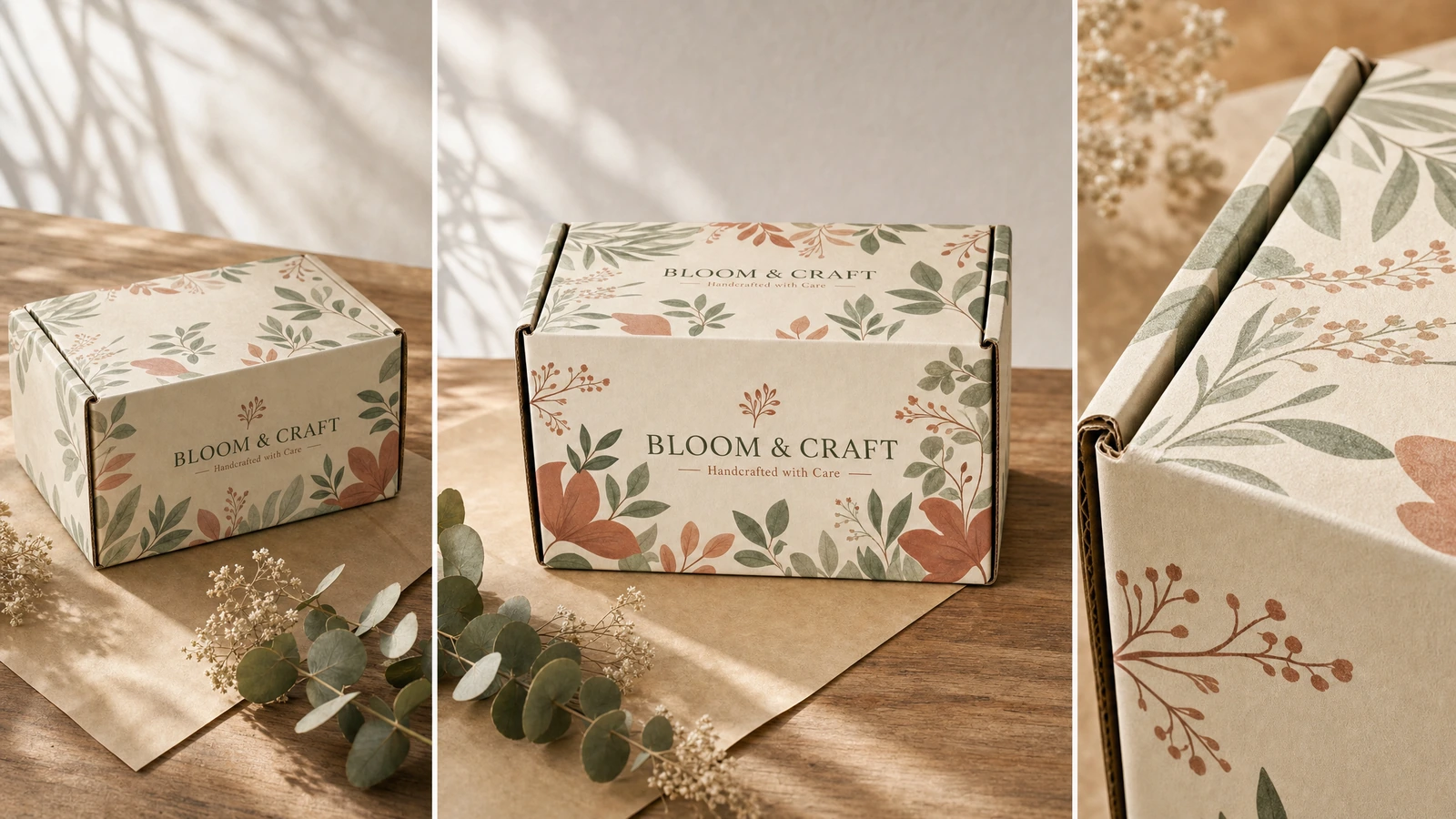
The roll-end tuck-top format forms a recognizable mailer profile with side walls, a hinged lid, and tuck closures. It can create a more deliberate opening sequence than a standard slotted shipping carton, while the broad exterior and interior panels provide space for brand graphics, instructions, campaign artwork, or customer-retention messaging.
Suitability is not determined by the product category alone. Two products of similar weight can require different board grades or inserts because of differences in fragility, shape, surface finish, center of gravity, distribution route, and allowable movement. Any capacity, load, or fit decision must therefore be determined by physical dimensions, the packed configuration, and sample validation.
Why Can an Attractive Mailer Still Fail During Fulfillment?↑
Problem: A box can look convincing in a digital mockup yet become expensive or unreliable when it reaches the packing bench. Excess internal space increases movement and void-fill use. Shallow scores slow assembly. A closure that does not align consistently can interrupt fulfillment. An unsuitable board grade can lose shape under stacking, handling, or humidity.
Agitation: Those errors compound. A larger-than-needed package may increase dimensional-weight exposure. Product movement can cause abrasion or breakage. Color differences weaken brand consistency. Difficult folding adds labor to every shipment. Public packaging discussions show that buyers are especially frustrated by boxes with poor color, missing fold marks, dirty surfaces, or flaps that do not fit correctly. These are execution failures, not minor cosmetic inconveniences, as illustrated by a detailed custom mailer box buyer complaint[1].
Solution: Treat the project as a packaging-engineering workflow rather than an artwork upload. Begin with the packed product, choose the structure and board around the distribution hazards, preflight the dieline, approve a physical sample, and define measurable acceptance criteria before production. Because no verified factory-specific MOQ, production time, unit weight, certification, or test result has been supplied for this product, those items remain subject to quotation, sampling, documentary review, and testing.
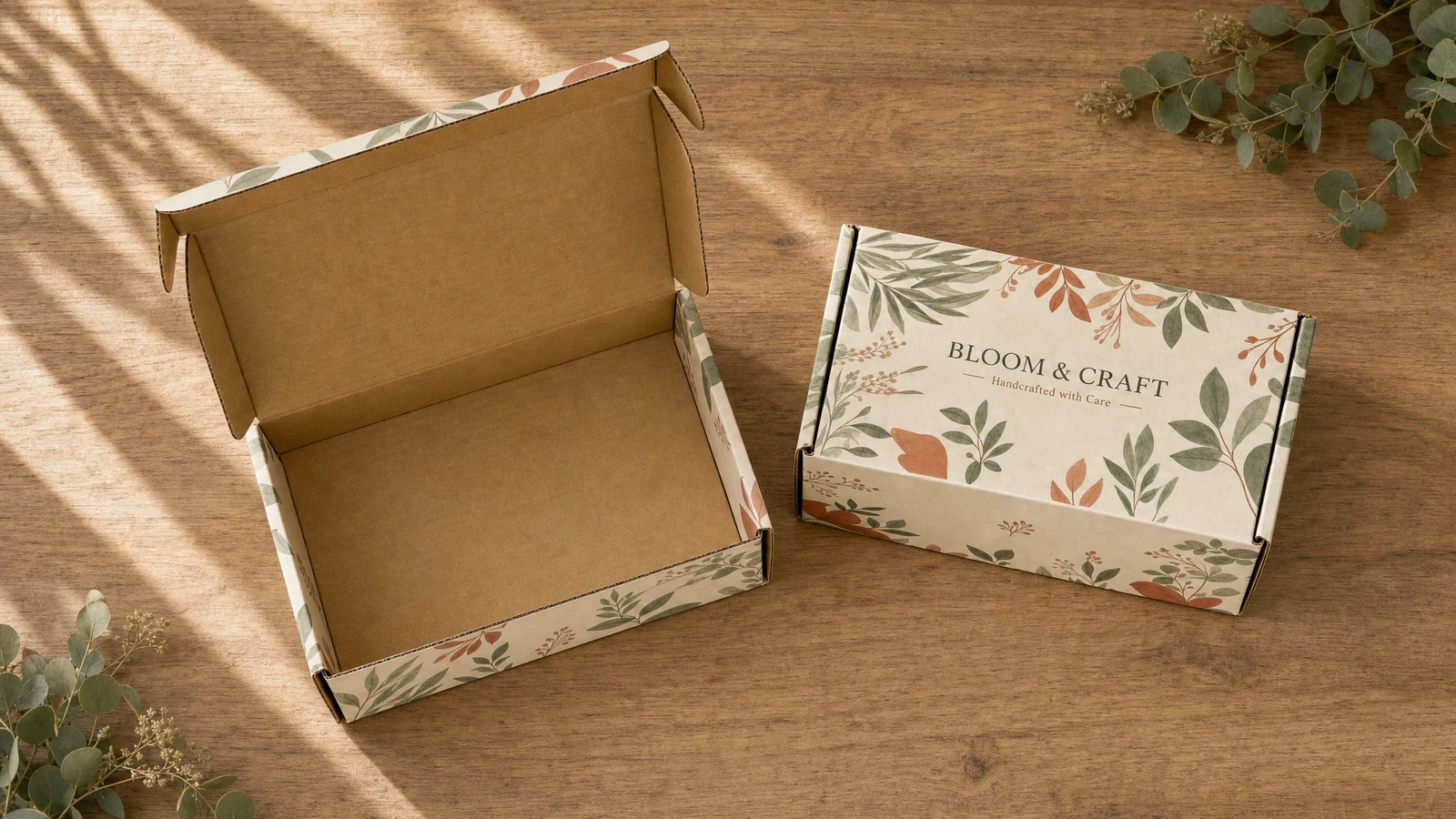
Table of Contents
What Defines a Custom Roll-End Tuck-Top Corrugated Mailer Box?↑
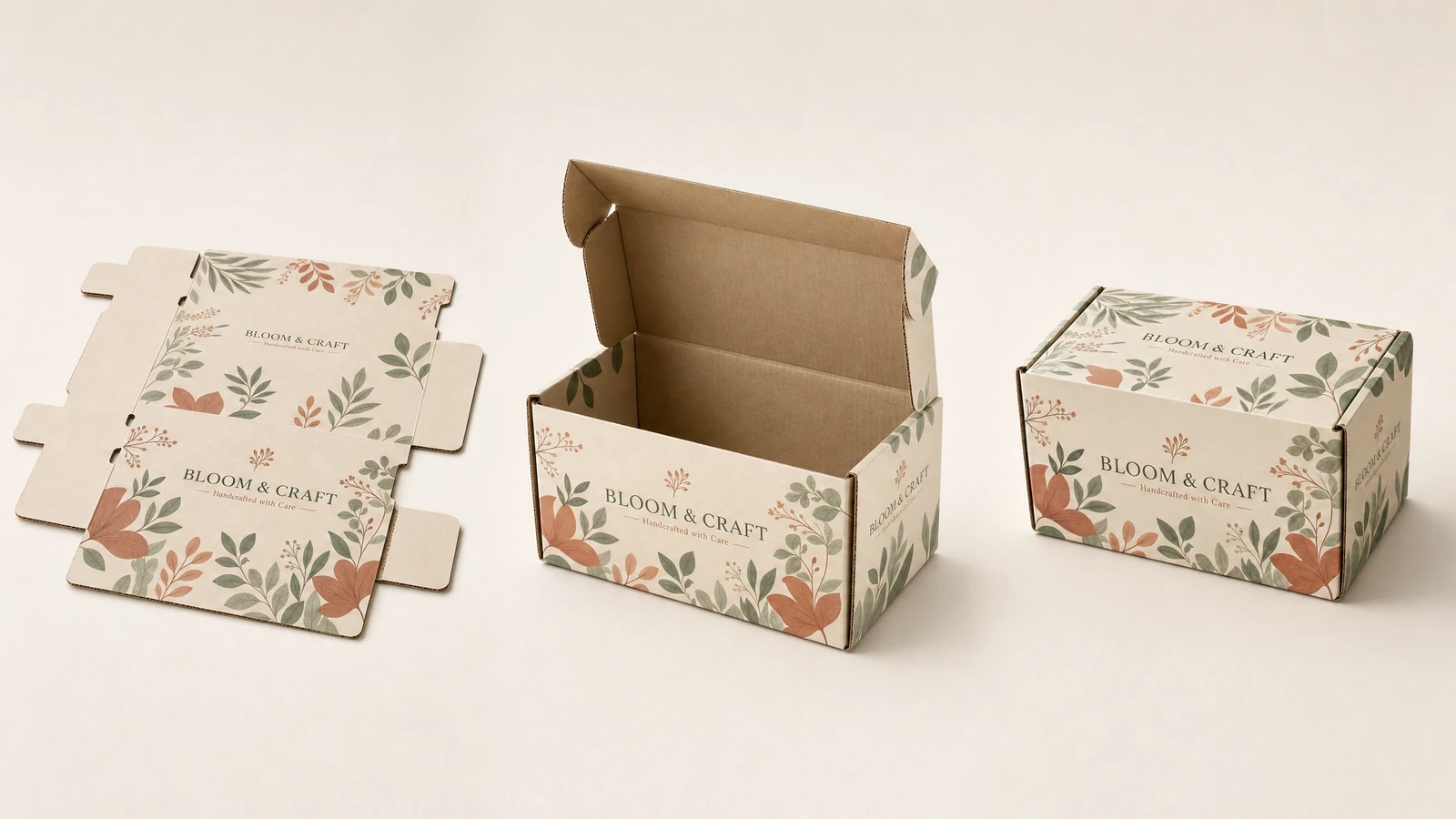
A custom roll-end tuck-top corrugated mailer box is a die-cut package whose side panels roll inward to reinforce the walls while the hinged lid closes through tuck features. The international FEFCO system provides a common vocabulary for corrugated structural designs and includes formats developed for retail and e-commerce applications. It is a useful reference when aligning designers, converters, buyers, and quality teams around a structure, but the final dieline still needs project-specific confirmation through the FEFCO box design system[2].
Dimensions must describe the usable interior
Start with the packed product rather than a desired outside-box size. Record maximum product length, width, depth, weight, protrusions, fragile surfaces, and the dimensions of any pouch, tissue, insert, literature, or accessory included in the shipment. Specify whether quoted dimensions are internal or external and maintain one consistent Length × Width × Depth convention throughout the dieline, purchase order, sample record, and inspection sheet.
Do not assume a fixed clearance allowance. The correct gap depends on the product and cushioning system. Too little clearance may create lid bowing, panel distortion, or assembly pressure; too much can allow movement and increase package volume. The appropriate capacity and fit must be decided through the actual loaded configuration and sample testing.
Board selection balances printability and protection
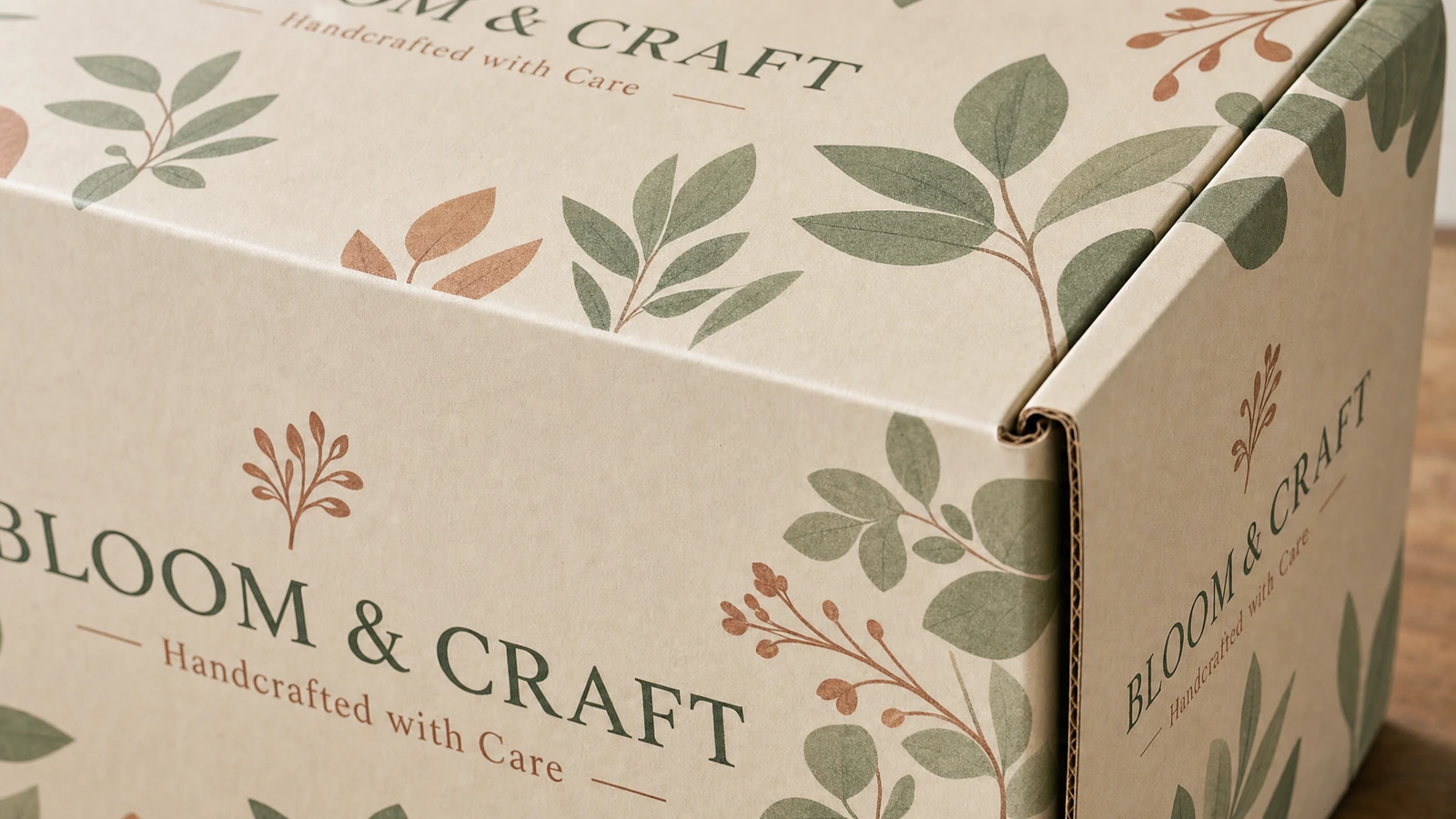
Corrugated board combines liners and a fluted medium. E-flute is commonly considered when a thinner profile and smoother print surface are priorities, while B-flute is commonly evaluated when additional cushioning, puncture resistance, or stacking performance is needed. Published flute dimensions are reference ranges rather than guaranteed specifications: industry guides commonly place E-flute around 1.0–1.5 mm and B-flute around 3 mm, with variation by manufacturer and board combination. These distinctions are summarized in the corrugated board grade guide[3].
Flute name alone does not establish shipping performance. The quotation should identify the proposed wall construction, liner type, board grade, and applicable ECT or burst specification. If recycled content, FSC or SFI Chain of Custody, food-contact suitability, or a specific coating is required, request the relevant certificate, scope, and batch documentation rather than relying on a generic sustainability statement.
Printing and closure details affect the complete user experience
Artwork may be evaluated for exterior-only, interior-only, or interior-and-exterior printing. Possible production methods in the broader market include digital, flexographic, and lithographic approaches, but the available method for this SKU has not been verified and must be confirmed in the quotation. The same applies to matte, gloss, aqueous, UV, or other surface treatments.
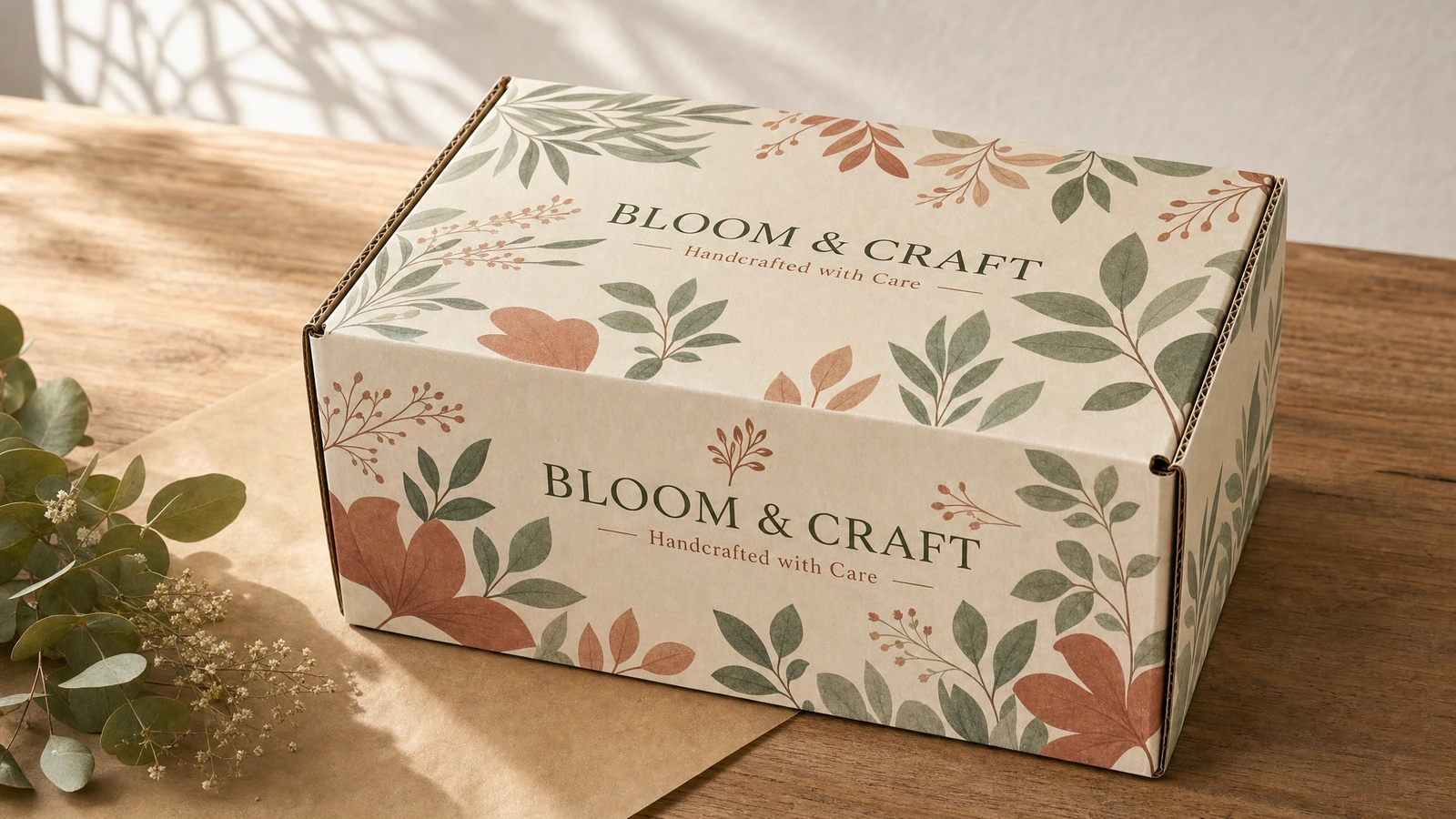
Closure details deserve equal attention. Tuck tabs, dust flaps, score depth, panel alignment, and any planned security label or sealing tape must work as a system. A self-locking structure may reduce assembly steps, but it should not automatically be described as carrier-ready without testing the final packed unit and confirming applicable retailer or carrier requirements.
How Should a Custom Mailer Box Be Specified, Sampled, and Approved?↑
1. Build a complete packaging brief
Provide the supplier with the physical product or accurate product dimensions, packed weight, fragility concerns, shipping route, fulfillment method, expected stacking conditions, storage environment, and desired opening experience. Separate mandatory requirements from preferences. For example, an ECT target, a specific internal clearance, or a retailer test requirement may be mandatory, while a particular finish may remain optional pending price.
The brief should also identify whether the mailer is the primary shipping container or a presentation box placed inside another shipper. Fragile, high-value, or surface-sensitive products may need a fitted corrugated insert, molded insert, paper cushioning, or secondary outer protection. The correct solution must be validated with the complete pack-out.
2. Preflight the structural and print files
Use the approved production dieline rather than rebuilding it from a screenshot or generic template. Keep cut, crease, glue, bleed, safety, and artwork layers clearly separated. Confirm panel orientation after folding, especially when graphics continue across the lid, front wall, and side panels. Small text, QR codes, barcodes, registration-sensitive borders, and reverse printing on kraft substrates require special review.
Request a digital proof to check layout, but do not treat an on-screen image as proof of board color, print density, folding behavior, or surface finish. Color appearance varies with substrate, ink system, coating, device calibration, and lighting. Brand-critical work should be approved on the intended or representative board through a physical print sample.
3. Approve the physical structure before production
Begin with an unprinted structural sample when fit and assembly are the main risks. Load the exact product, insert, literature, and cushioning. Check whether the lid closes without bowing, the tuck tabs enter cleanly, the rolled sides remain seated, and the product stays controlled when the box is rotated.
Have actual fulfillment staff assemble a small sample set and record assembly time, confusing steps, tearing, whitening along scores, tab damage, and inconsistent closure. This exposes operational issues that may not appear during a single careful demonstration. If the artwork is brand-critical, follow the structural sample with a printed proof before approving production.
4. Confirm the proposed production route
A typical converting route may include board preparation, printing or lamination, die-cutting and scoring, waste stripping, folding or gluing where required, inspection, flat packing, and shipment. That generic sequence does not establish the capabilities or production time of a specific factory. Request the actual workflow, tooling plan, production schedule, and control points as part of the quotation.
5. Match testing to the distribution environment
ECT measures edgewise compression resistance, while burst testing addresses resistance to rupture or puncture pressure. Neither number alone predicts the performance of the complete loaded box. Board grade, dimensions, score placement, humidity, closure, inserts, load distribution, and handling conditions all influence the result.
For critical shipments, establish a distribution test plan covering relevant hazards such as drop, vibration, compression, impact, and environmental conditioning. ASTM D4169 provides a uniform framework for evaluating shipping units against distribution cycles, but the assurance level and schedule must match the actual route. Reference the applicable revision and laboratory protocol when requesting ASTM D4169 distribution testing[4].
6. Convert approval criteria into measurable quality checks
The purchase specification should identify how dimensions, material, print, scores, closure, cleanliness, and packed quantity will be accepted. Useful controls include internal-dimension tolerances, board caliper or grade verification, color target and viewing conditions, registration limits, score consistency, tuck-fit checks, surface cleanliness, barcode readability, and an agreed sampling method.
Inspect the first production lot against the signed physical sample and retained artwork proof. Photograph defects with scale references and record the lot number, carton number, packed configuration, and environmental conditions. This evidence separates a board problem from a dieline, printing, packing, or carrier-handling problem.
7. Plan flat-pack delivery, storage, and replenishment
Mailer boxes are commonly delivered flat to reduce storage volume, but the final shipping method, pallet pattern, carton quantity, moisture protection, and allowable stacking must be confirmed. Warehouse humidity and excessive compression can change folding behavior or weaken board. Store inventory off the floor and protect it from water, uncontrolled humidity, crushing loads, and contamination.
Before reordering, compare complaint rates, product damage, assembly time, dimensional-weight charges, inventory usage, and customer feedback with the approved baseline. Do not automatically repeat the first specification if the product, insert, carrier route, artwork, or fulfillment process has changed.
Which Packaging Option Best Balances Protection, Presentation, and Cost?↑
| Option |
Primary advantage |
Main limitation |
Best-fit decision context |
| E-flute corrugated mailer |
Thinner profile and comparatively smooth graphics surface |
May be unsuitable for heavier or demanding distribution without upgraded construction |
Light-to-medium products where print presentation and compact storage matter |
| B-flute corrugated mailer |
Greater cushioning and crush resistance than a thinner flute profile |
Thicker package may affect folding detail, storage, and dimensional volume |
Products needing more protection while retaining a branded mailer format |
| Standard slotted shipping carton |
Familiar, scalable protection for transport and heavier loads |
Usually requires tape and offers a more utilitarian opening experience |
Heavy, fragile, wholesale, or multi-stage shipping applications |
| Rigid presentation box |
Premium appearance and shape retention |
Higher storage and transport burden; may still need a corrugated outer shipper |
Luxury gifts, retail presentation, or high-value products |
| Folding carton |
Efficient print surface and low material volume for light retail products |
Not a substitute for protective corrugated shipping packaging |
Retail inner packaging or products shipped inside a separate outer carton |
This table is a screening tool, not a final specification. The right construction depends on the real product, loaded geometry, distribution hazards, brand objectives, warehouse constraints, and test results. A rigid box may deliver a premium reveal but require an outer shipper; an E-flute mailer may print cleanly but still need an insert; a B-flute design may provide additional protection but increase package thickness. Compare total delivered cost rather than unit price alone.
Request a quotation that exposes the cost drivers
Ask each supplier to quote the same internal dimensions, board specification, print coverage, finish, insert, quantity, packing method, destination, and testing requirement. Separate tooling, samples, freight, duties, plate or setup charges, and optional finishes. If alternatives are proposed, require them to be labeled clearly so that a lower price is not achieved by silently changing board, dimensions, print coverage, or acceptance standards.
No verified MOQ, production time, unit weight, factory capacity, certification, or product-specific laboratory result is available in the supplied first-party data. Procurement should therefore obtain these items in writing and keep them attached to the approved specification. Public supplier ranges may help with market orientation, but they cannot replace a project quotation.
Balance branding with protection and waste reduction
Small businesses disagree about whether premium custom packaging always produces a worthwhile return. In one extended discussion, users emphasized that packaging can create memorable word-of-mouth for premium products, while others prioritized preventing bending, moisture exposure, crushing, and damage over decorative spending. The practical lesson from this small-business packaging debate[5] is to align packaging investment with product value, customer expectations, and measurable fulfillment outcomes.
Right-sizing is the strongest common ground. A closer-fitting package can reduce internal movement, excess fill, and unnecessary volume, provided that it preserves adequate cushioning. Overdecorating an oversized or structurally weak box does not improve the underlying shipping system.
What Should Buyers Remember Before Requesting a Quote?↑
- The packed product—not a generic box size—must determine the internal dimensions. Capacity, load suitability, cushioning clearance, and insert fit must be decided through physical dimensions, the loaded configuration, and sample validation.
- A structural code improves communication but does not replace a project-specific dieline. Approve the actual cut, crease, tab, and panel geometry before production.
- Corrugated recovery is widespread, but recyclability still depends on the completed package. — The Fibre Box Association reports that OCC recovery has remained around 90% over the long term and that the average corrugated box contains about 52% recycled content (Source[6]).
- The U.S. government’s historical 2018 estimate recorded a 96.5% recycling rate for corrugated boxes. — Approximately 32.1 million tons were recycled from 33.3 million tons generated (Source[7]).
- Coatings and treatments need evidence, not a blanket recyclable claim. — AF&PA and FBA updated their voluntary repulpability and recyclability standard on May 29, 2025 (Source[8]).
- Packaging exported to the European Union faces tighter right-sizing and recyclability expectations. — Regulation (EU) 2025/40 generally applies from August 12, 2026, and includes a 50% maximum empty-space ratio for grouped, transport, and e-commerce packaging (Source).
- The 2025 global mailer-box market was estimated at USD 4.4 billion and projected to reach USD 8.4 billion by 2035. — 6.7% projected CAGR for 2025–2035 (Source[10]).
- Unboxing design can influence sharing behavior, but protection remains the first acceptance gate. — FedEx cites research that 40% of online shoppers would share an image of unique or branded packaging (Source[11]).
- MOQ, production time, unit weight, factory capacity, certifications, and product-specific test results are not verified for this product. — Each item must be confirmed through the quotation, documentary review, approved sample, and applicable testing.
Ready to Prepare a Sample-Led Custom Mailer Box Quotation?↑
Custom corrugated mailer boxes can unite protection, right-sized shipping, brand presentation, and efficient flat storage, but only when the structure is built around the real pack-out. A reliable purchase specification should connect the internal dimensions, board grade, artwork, scores, tuck fit, inserts, test plan, quality tolerances, packing method, and replenishment requirements.
For provisional SKU NSKU-724-01, the next step is to submit the packed product dimensions, weight, destination, quantity, artwork, preferred opening experience, and required test or certification documents for one project-specific quotation and sample plan.




The information below is required for social login
Sign In
Create New Account