Custom printed poly mailer bags combine flexible shipping packaging with your brand artwork. Start with the packed product, then specify usable dimensions, film thickness, closure, print coverage, and sample checks. Pricing, minimum order quantity, production time, and unit weight require a product-specific quotation; no verified values are currently available for this product.
For apparel brands, independent online stores, and fulfillment teams, packaging has two jobs: support the shipment and present the brand. A distinctive print cannot compensate for a strained seam, an unreadable shipping label, or a closure that does not lie flat.
Product: Custom Printed Poly Mailer Bags
Category: Custom Plastic Bags > Custom Mailing Bags
Provisional product reference: NSKU-709-01
This format is worth evaluating for folded clothing, textiles, and other non-fragile soft goods. For glass, crush-sensitive products, sharp components, or items whose corners must arrive pristine, evaluate protective inner packaging or a rigid shipping format instead.
The purchasing problem often starts with an attractive unit price and an incomplete specification. If the bag turns out to be too small, too transparent, or poorly printed, the apparent saving becomes extra packing work, unusable inventory, or a disappointing delivery experience.
The practical solution is to approve a packaging specification before committing to printed stock. Separate required features from optional requests, compare quotations on the same basis, and test representative packed samples. That makes the decision about your shipment—not a supplier’s most flattering photograph.
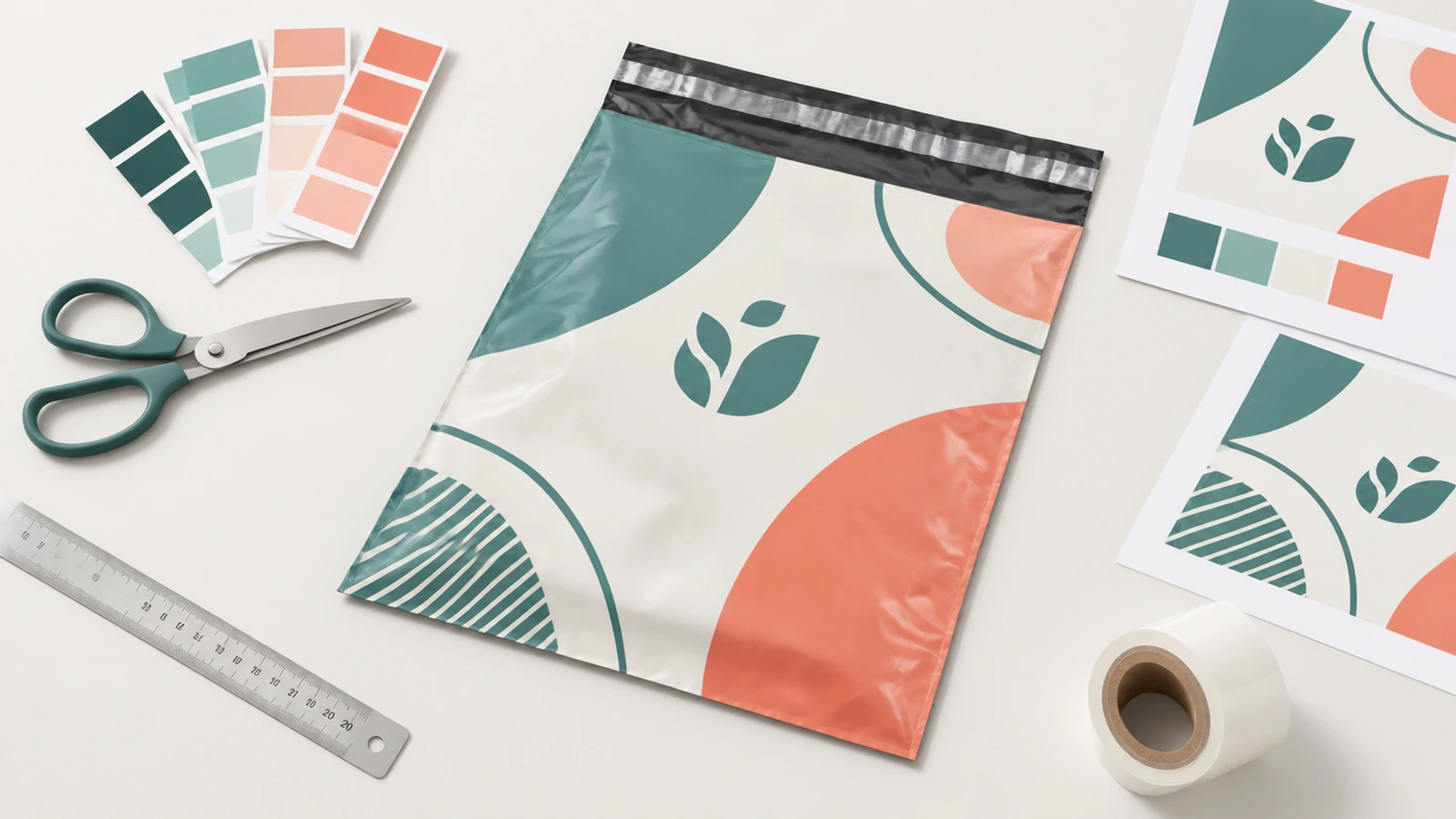
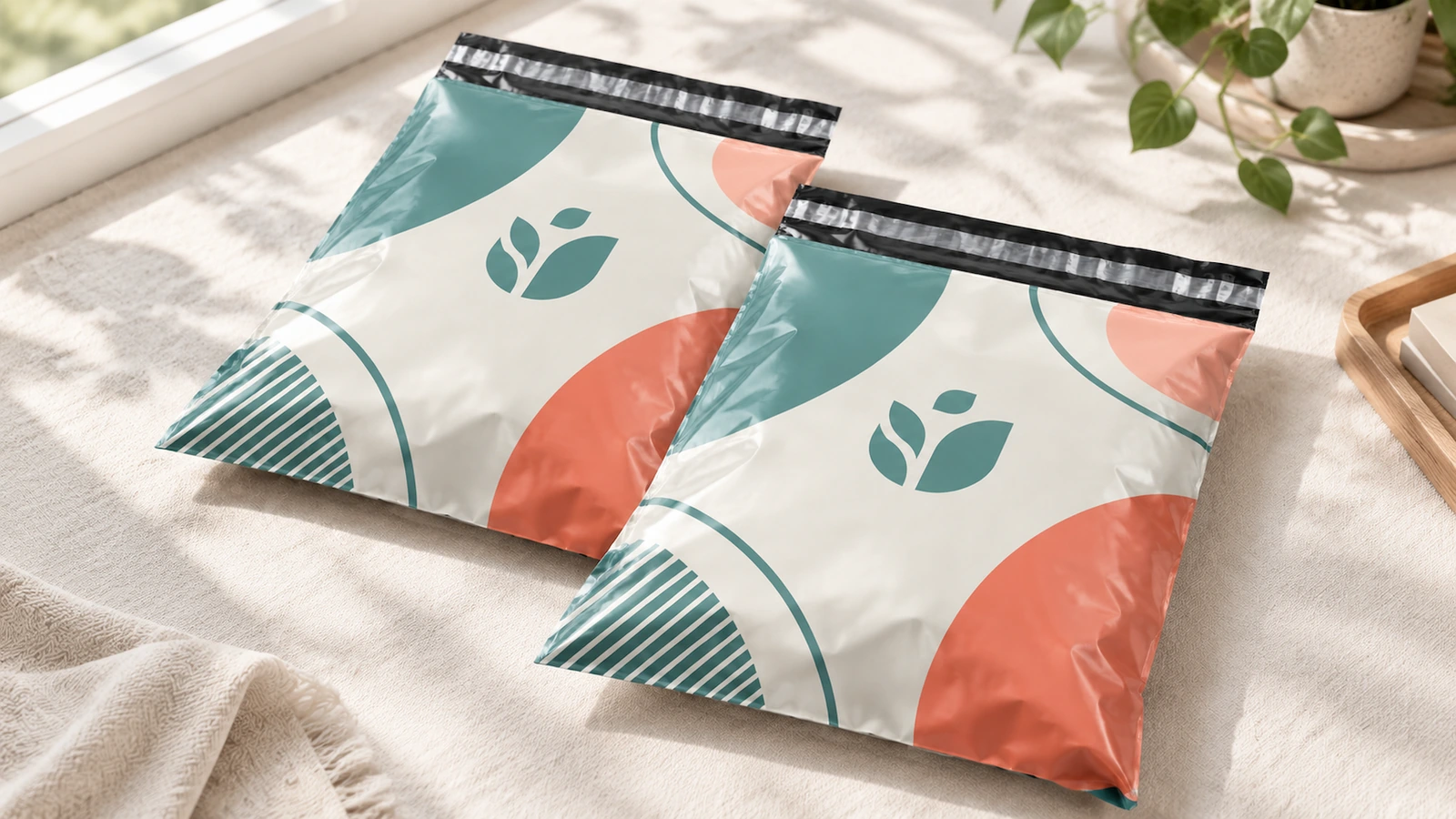
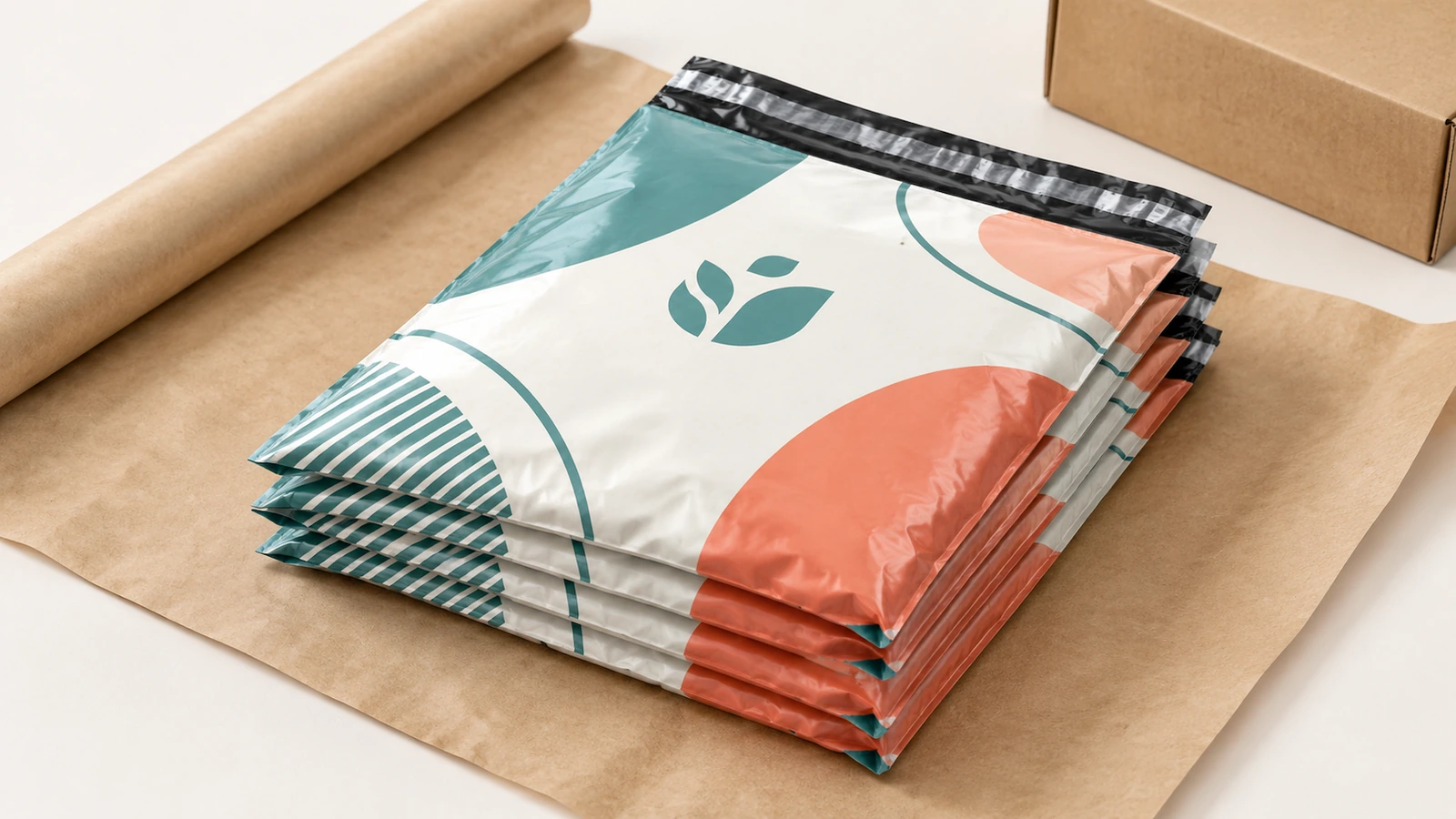
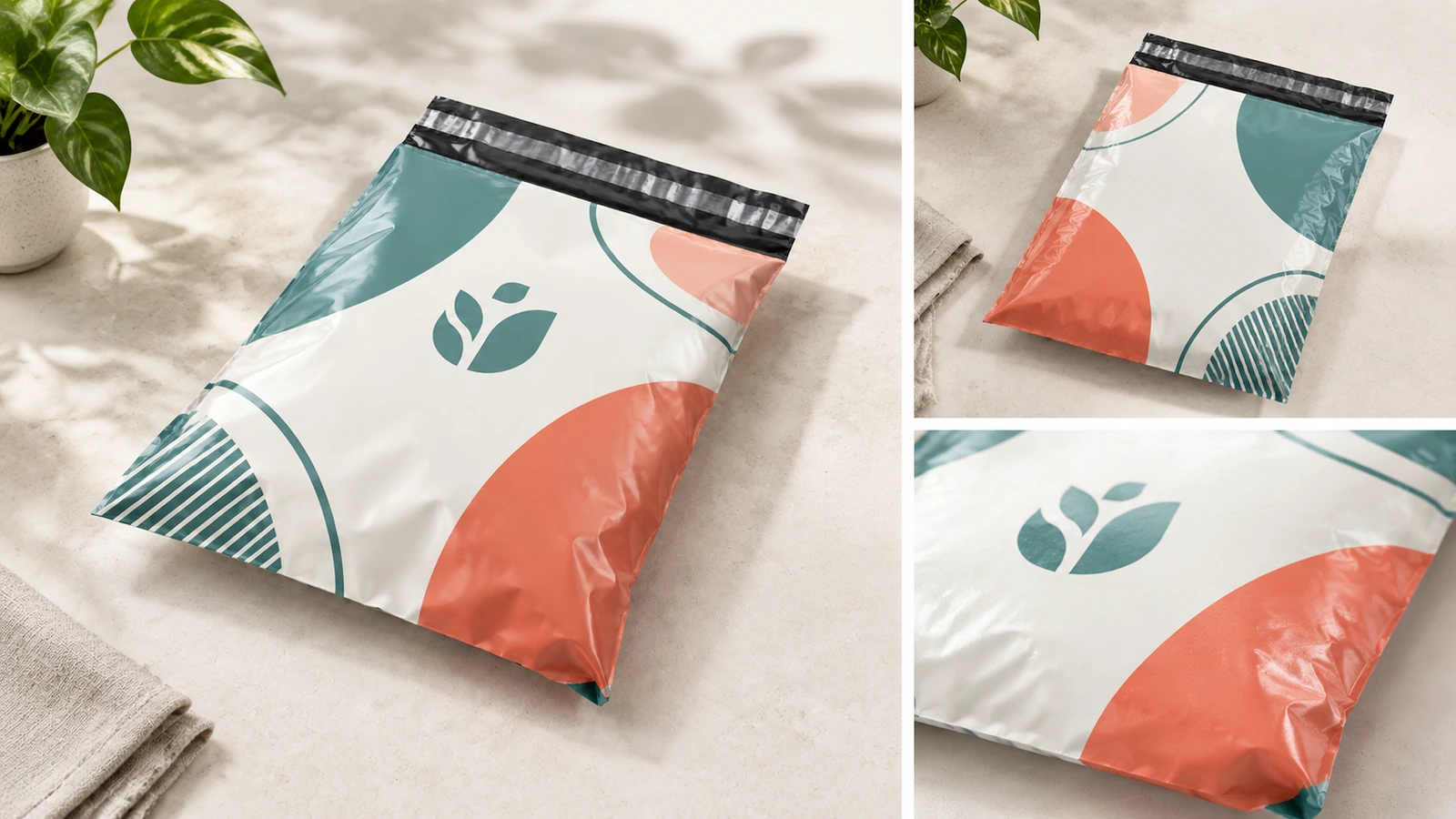
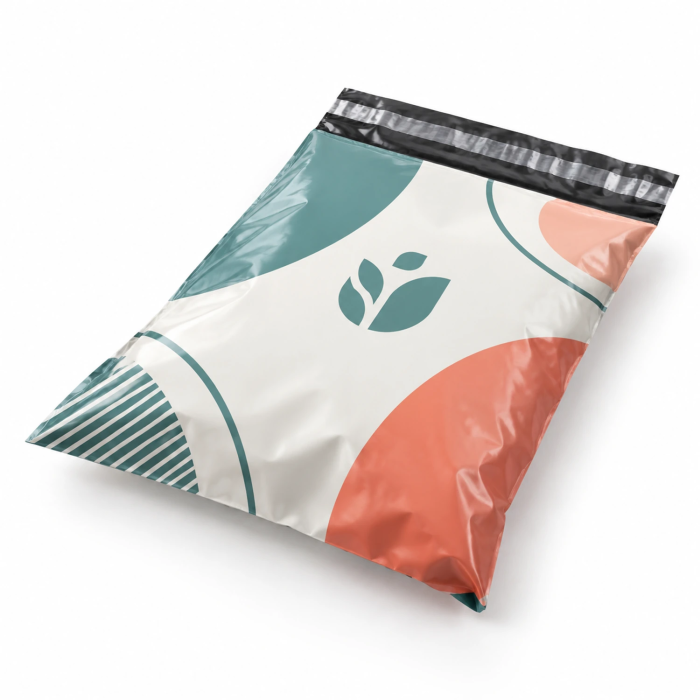
Images illustrate purchasing and evaluation scenarios. They do not document this product’s confirmed options, factory equipment, certifications, or test results.
Contents
What makes a printed poly mailer different from protective packaging? ↑
A poly mailer is a flexible plastic shipping envelope, commonly made from polyethylene and supplied with an adhesive closure. Custom printing adds branding to the bag surface. Neither the print nor the word “mailer” establishes cushioning, compression resistance, puncture performance, or a safe load.
Think of the bag as an outer shipping layer rather than a substitute for every protective component. Soft goods may suit this format, while a boxed or rigid product introduces corners and concentrated contact points that need separate assessment. A thicker film does not turn a flexible envelope into a protective box.
For this provisional product, the resin composition, film construction, finish, opacity, and closure configuration remain unspecified. References below are quotation and sampling criteria, not confirmed manufacturing capabilities. Capacity, load suitability, and the number of items per bag depend on actual dimensions, loading condition, and sample validation.
How do you choose dimensions and film thickness? ↑
Measure the shipment as it will actually be packed
Fold the product as your packing team normally would, including any inner bag, tissue, insert, or protective component. Record the resulting length, width, depth, and packed weight. A garment’s retail size is not a reliable substitute for those measurements.
Ask the quotation to distinguish external bag dimensions, usable internal dimensions, and flap length. Confirm whether the stated length includes the flap. Any gusset must be described separately so that two quotations do not appear equivalent while offering different usable space.
- Place the representative packed product into a sample without forcing it.
- Check corners, seams, and protruding details for localized tension.
- Close the flap with the adhesive area fully contacting a flat surface.
- Apply the intended shipping label away from folds and seams.
- Measure and weigh the completed parcel for the intended shipping service.
Do not assume a nominal bag size qualifies the shipment for a particular postal category or discounted soft-package service. Evaluate the finished parcel against current carrier and platform requirements. Putting a rigid box inside a bag does not make the contents flexible.
Use film thickness as a comparison field, not a strength guarantee
| Reference thickness | Equivalent thickness | How to use it in a quotation |
|---|
| 2.0 mil | 50.8 μm | A thinner comparison point for evaluating light, soft contents. |
| 2.5 mil | 63.5 μm | A reference point appearing in the supplied market research for apparel mailers. |
| 3.0 mil | 76.2 μm | A thicker comparison point when assessing puncture or handling concerns. |
These are market-reference thicknesses, not available specifications or load ratings for NSKU-709-01. One mil equals 25.4 μm. Request the film measurement basis and agreed tolerance; compare resin construction, seams, and closure performance alongside thickness.
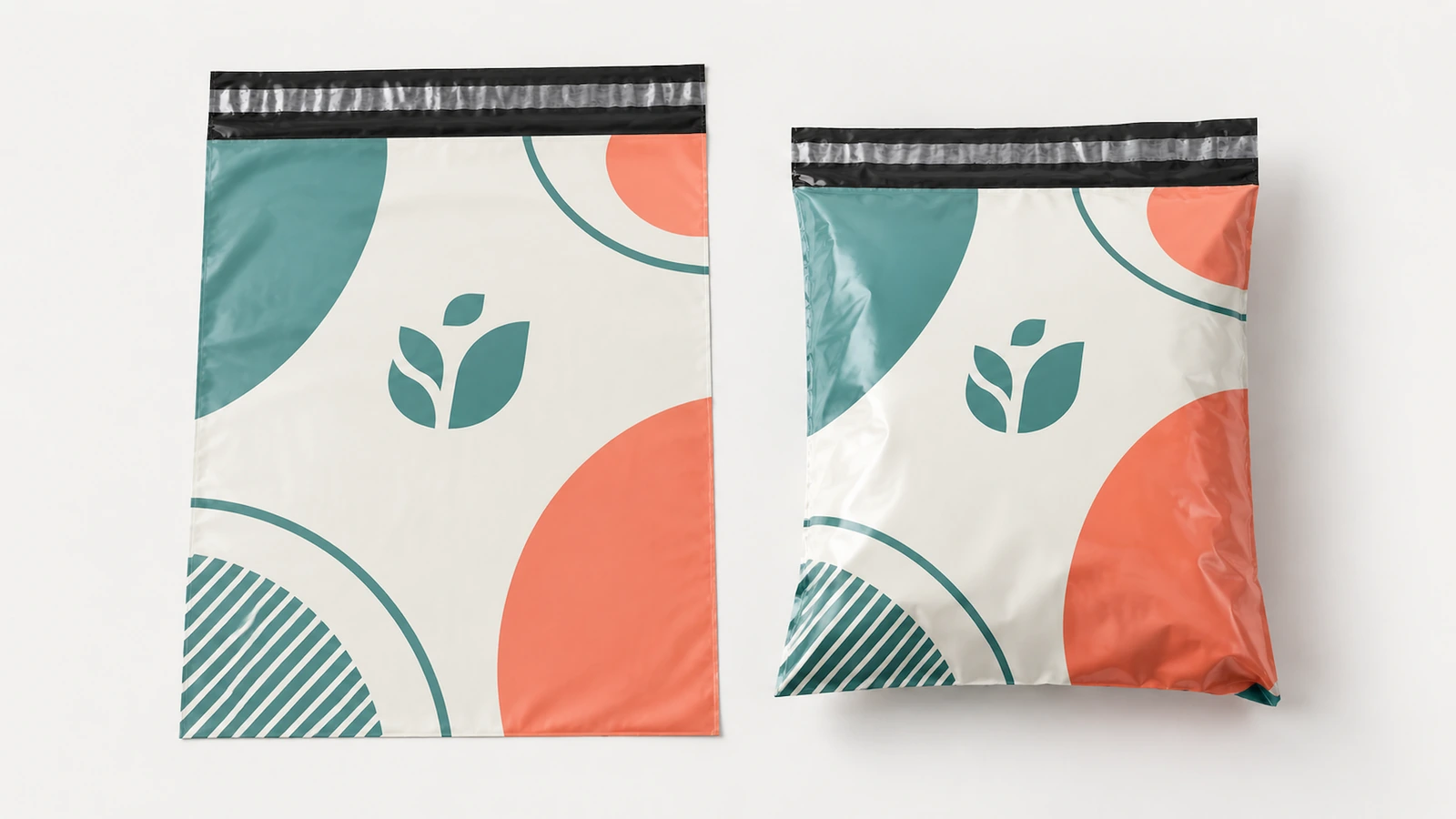
Which surface and closure details belong in your quotation? ↑
A screen mockup cannot establish the feel or appearance of printed film. Specify the desired background color and surface appearance, then assess a physical sample for opacity, stiffness, print contrast, and visible handling marks. If privacy matters, inspect the sample with representative contents under strong light.
Describe front and back requirements separately. A front logo, double-sided artwork, and edge-to-edge coverage are different printing requests. Leave a usable label area in the design rather than assuming the warehouse can place the shipping label wherever space remains.
| Detail to request | Purchasing purpose | Evidence needed before approval |
|---|
| Surface appearance and background color | Coordinate the package with brand presentation. | Physical material and print sample. |
| Opacity | Limit visibility of contents and inner paperwork. | Inspection with the actual packed product. |
| Adhesive flap | Support a consistent closing operation. | Closure demonstration and agreed acceptance check. |
| Opening feature and second adhesive strip | Evaluate opening convenience and possible return use. | Confirmed construction and outbound-to-return sample trial. |
These are requested features to discuss, not a confirmed option menu. A second strip does not prove that a used bag remains fit for another shipment, and a closure described as tamper-evident is not a theft-prevention certification.
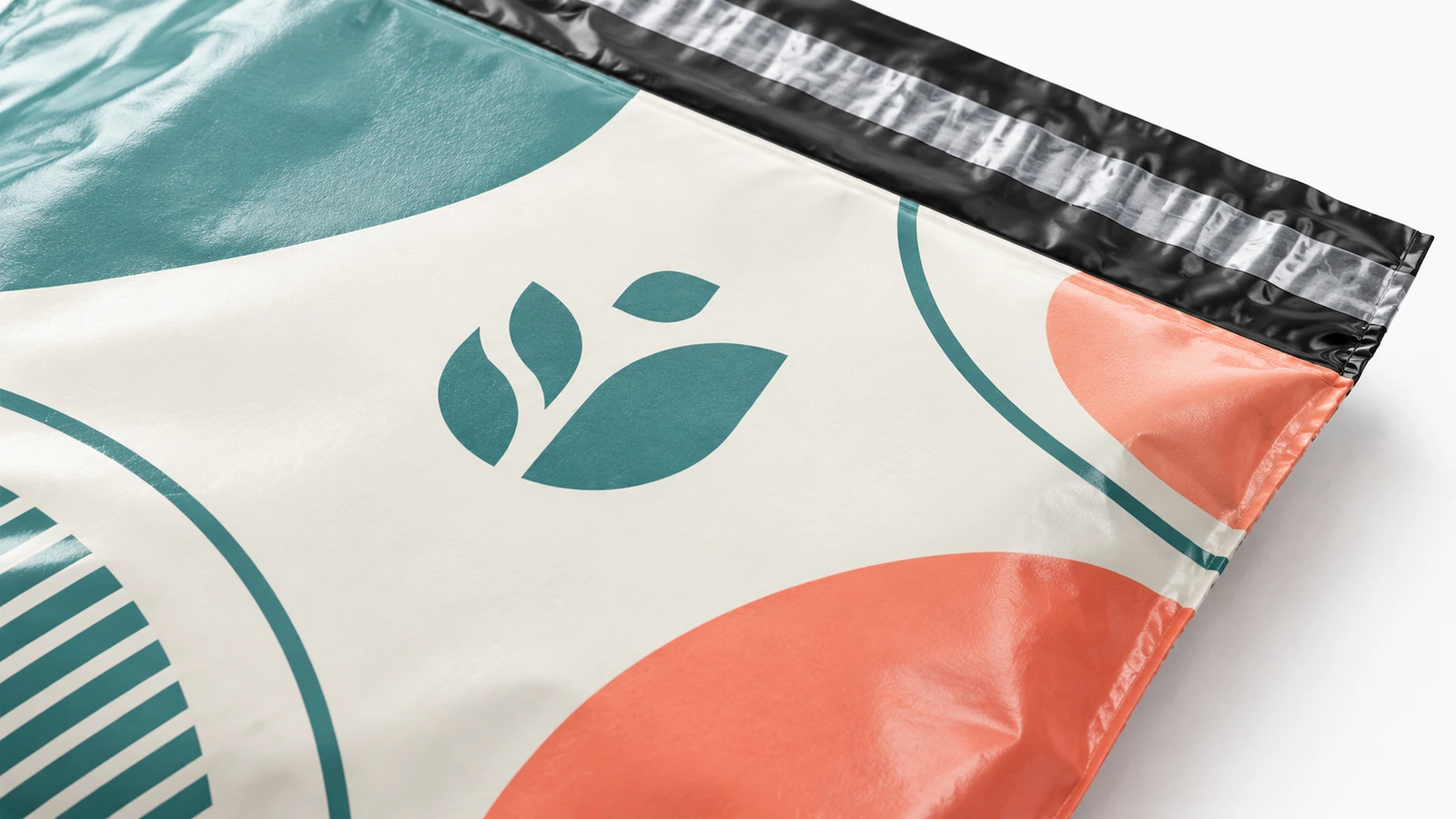
How can artwork preflight prevent printing surprises? ↑
Start with the production template rather than stretching an existing social graphic onto a bag. Request the printable area, seam and flap positions, required bleed, and clear zones. Confirm whether the proposed process supports the desired coverage before finalizing artwork.
- File quality: Supply vector logos where possible and check any raster artwork at its intended output size.
- Color expectations: Specify color references and agree how the printed sample will be evaluated; a monitor preview alone is insufficient.
- Small details: Review fine lines, small lettering, and reversed text against the proposed printing process.
- Placement: Check front-to-back orientation and keep important content away from folds, seams, and opening areas.
- Scanning: Test any QR code on the physical sample and preserve a flat location for the shipping label.
A digital proof is useful for checking content and positioning. A physical printed sample is needed to assess appearance on the selected film, including background show-through, registration, rub resistance, and odor. Ask whether that sample uses the same material and process proposed for production.
Approve an identifiable artwork revision together with the sample reference. If a later change affects the film color, ink coverage, or print method, revisit the relevant approval rather than assuming the previous result still applies.
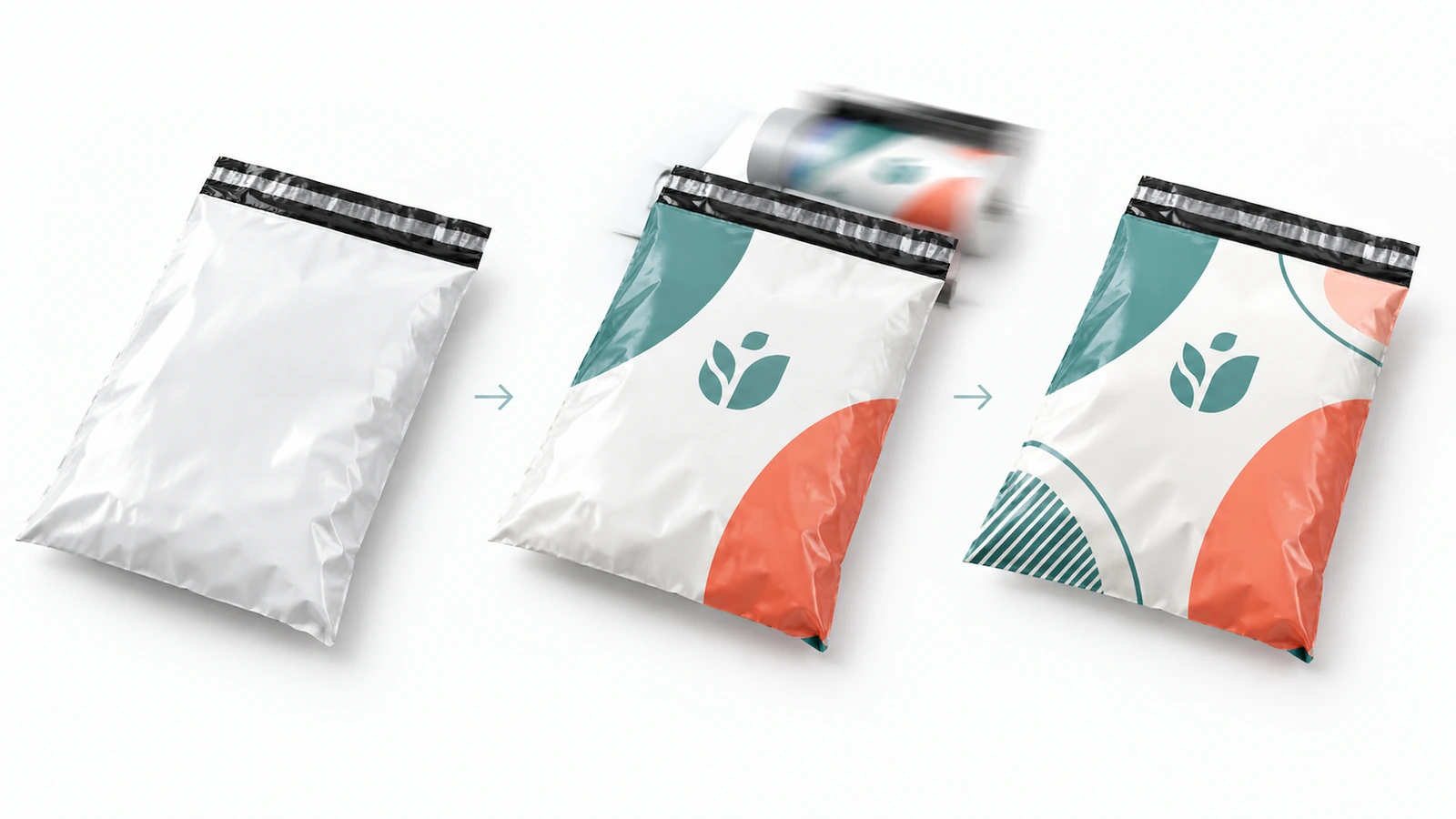
What should be agreed before production begins? ↑
The supplied research describes a typical manufacturing sequence of material preparation, film formation, printing, and bag conversion. That sequence helps organize purchasing questions, but it does not establish this product’s equipment, production location, capacity, or quality system.
Use a written approval sequence that connects the quotation to the finished bag:
- Specification review: Record dimensions, material declaration, thickness, closure, printing, quantity, and packing requirements.
- Artwork approval: Identify the accepted file and agreed print boundaries.
- Sample approval: Record the accepted physical sample and any conditions still requiring testing.
- Production authorization: Confirm that unresolved items have been closed before releasing the order.
- Shipment release: Review agreed inspection evidence and packing details.
Separate sample preparation, production, dispatch, and transit in the schedule. Ask which approval event starts the production clock and how artwork changes affect the timeline. A production estimate is not an arrival commitment, particularly for cross-border delivery.
No verified minimum order quantity, production time, unit weight, certification, or test report has been provided for NSKU-709-01. Keep those fields explicitly pending in the quotation rather than borrowing figures from another supplier or a different mailer configuration.
Which sample checks reduce purchasing risk? ↑
The useful question is not simply whether a sample looks good. It is whether the proposed construction performs acceptably with your contents and packing method. Agree the sample quantity, test conditions, acceptance limits, and handling of failures before treating an inspection as a release decision.
| Check | Proposed evaluation | Record to retain |
|---|
| Dimensions and film thickness | Measure against the agreed specification and tolerance. | Readings, measurement locations, and sample identification. |
| Side and bottom seams | Inspect and evaluate under representative loading. | Observed opening, splitting, or deformation. |
| Adhesive closure | Seal using the intended packing method and assess reopening behavior. | Conditions, procedure, and agreed pass/fail criteria. |
| Printed surface | Check registration, appearance, and agreed rub or adhesion performance. | Comparison with the approved sample and defect photographs. |
| Opacity and odor | Inspect with representative contents and assess possible product impact. | Observations and acceptance decision. |
| Completed shipment | Conduct agreed handling or drop evaluation using representative contents. | Loading condition, test method, and resulting damage. |
This is a proposed acceptance checklist, not a report of completed testing. Hand checks can reveal problems but should not be presented as standardized laboratory results. If formal testing is required, agree the method and required report before ordering.
Include receiving inspection in the purchase terms. Define how short quantities, incorrect artwork, dimensional deviations, or defective closures will be documented and resolved. Where an AQL sampling plan is used, agree its parameters rather than treating the abbreviation itself as an acceptance standard.
Which purchasing route fits your budget and order pattern? ↑
Compare purchasing routes before comparing headline prices. The supplied research distinguishes short-run digital printing, larger conventional print runs, recycled-material programs, and stock bags with separate branding. Their economics differ because setup, material, coverage, quantity, and inventory commitments differ.
| Route | When to evaluate it | Main trade-off |
|---|
| Digital printed mailers | Changing artwork, initial branding trials, or smaller requested quantities. | Potentially higher unit cost; print area and material choices need confirmation. |
| Conventional volume printing | Stable artwork and predictable replenishment demand. | Setup costs and inventory commitment may offset a lower unit price. |
| Documented recycled-material specification | Procurement requires substantiated recycled content. | Material evidence, appearance, print compatibility, and availability need evaluation. |
| Stock bag plus printed sticker | Uncertain demand or frequent brand-design changes. | Less integrated presentation and a separate labeling operation. |
| Protective box or alternative mailer | The product needs cushioning, rigidity, or protected corners. | Compare completed-package cost and protection rather than bag price alone. |
These routes describe market purchasing choices, not confirmed services for this SKU. No route is automatically cheapest or suitable: the comparison must use equivalent dimensions, protection requirements, and delivery terms.
Request separate amounts for bags, setup or plates, samples, freight, and applicable import costs. State whether the quote covers front-only or double-sided printing and whether special material or closure requests are included. This prevents a basic logo quote from being compared with a full-coverage design.
Compare the completed parcel with your current packaging before claiming shipping savings. Include all protective components, then use actual packed dimensions and weight. Lower packaging weight alone does not establish a lower charge for every service or destination.
Plan receiving, storage, and repeat orders
Agree how bags will be counted, bundled, and identified by size and artwork revision. Ask for outer-carton dimensions and shipment weight once available. If delivery may be split, request advance notice so the warehouse can distinguish a partial shipment from a shortage.
Keep the approved sample, specification, and artwork revision for reorders. Check incoming batches against those references, particularly after a material or process change. Replenishment decisions should reflect actual usage and confirmed lead time—not an assumed schedule copied from the first order.
What evidence should support recycling and material claims? ↑
Separate three questions: what the bag contains, whether its complete construction is compatible with a recycling process, and whether customers can access that process. A recycled-content declaration answers the first question, not all three.
For US disposal instructions, most plastic bags, wraps, and films are not accepted in ordinary curbside recycling. Eligible packaging may use a store collection route, as explained by How2Recycle’s Store Drop-off guidance[1]. Do not assume every printed mailer qualifies.
Evaluate labels, inks, and adhesives with the film. The APR PE Film Design Guidance[2] favors PE-based label substrates over paper where labeling is necessary. Design guidance does not certify this product or authorize a consumer-facing recycling label.
Request documentation distinguishing post-consumer recycled content from post-industrial material. Verify the scope of any certificate against the proposed bag and supply chain. A resin identification number identifies material; it does not establish collection access or prove that the package will be recycled.
Keep compostable materials separate from conventional PE specifications. A compostability claim needs supporting evidence for the relevant conditions and complete construction; industrial compostability should not be represented as home-composting or landfill performance. No recycled-content percentage, recycling-label approval, or compostability certification is confirmed for this product.
Before approving environmental wording, check the destination market and the proposed artwork together. Avoid broad terms such as “eco-friendly” or “fully recyclable” when the supporting material, component, and collection evidence is missing.
Key takeaways for a clearer purchasing decision ↑
- Fit must be demonstrated with a packed sample. Nominal dimensions do not establish capacity, load suitability, or item count.
- Compare the complete specification before comparing price. Include thickness, construction, print coverage, closure, setup, and delivery costs.
- Approval should cover both artwork and physical performance. A digital proof cannot establish seam strength, opacity, or ink adhesion.
- Unqualified US recyclability claims require substantiation and sufficient collection access. — At least 60% of consumers or communities where the item is sold must have access to appropriate recycling facilities under the FTC guidance; access alone does not establish package recyclability (Source[3]).
- Product-specific purchasing values remain pending. MOQ, production time, unit weight, and price need a written quotation; performance needs sample validation.
Turn your shipping requirements into a comparable quotation ↑
The right printed mailer starts with a clear shipping requirement, not an unsupported promise about strength or savings. Define the packed product, agree the material and print specification, and approve measurable sample checks before committing to inventory.
Request a specification-based quotation for NSKU-709-01 with your packed dimensions and weight, intended quantity, artwork, closure requirements, delivery destination, and required arrival date.




The information below is required for social login
Sign In
Create New Account