Custom business cards put your name, brand, and next contact step into a printed format. Choose your layout around how you meet customers, then confirm the paper, finish, artwork, and delivery requirements before approving production.
SEO title: Custom Business Cards | Paper, Finish & Ordering Guide
Meta description: Plan custom business cards around your brand. Compare paper, finishes, artwork checks, and delivery requirements, then request a specification-based quote.
For small business owners, independent professionals, creative studios, and purchasing teams, a useful card starts with a specific situation: meeting a prospective client, exchanging details at an exhibition, leaving contact information after a service visit, or introducing a new employee. Each situation calls for a different balance of information, presentation, and ordering priorities.
A real estate agent may want a clear phone number and a route to current listings. A photographer may prioritize an image-led reverse. A team buyer needs consistent branding across different names and job titles. Rather than fitting every possible message onto the same small surface, decide what the recipient should do next.
A polished screen preview does not settle every print decision. If contact details become difficult to read, the card feels different from expectations, or delivery misses an event, the order can create revision costs instead of supporting the conversation. The practical solution is to separate design approval, physical sample approval, and delivery confirmation.
This page covers Custom Printed Business Cards within Custom Commercial Printing → Custom Cards. Paper and finishing examples below are buying references, not a confirmed option list for this product. Available specifications, minimum order quantity, pricing, sample arrangements, production time, and unit weight require a product-specific quotation. Illustrations show proposed buying and inspection situations, not documented factory operations or tested samples.
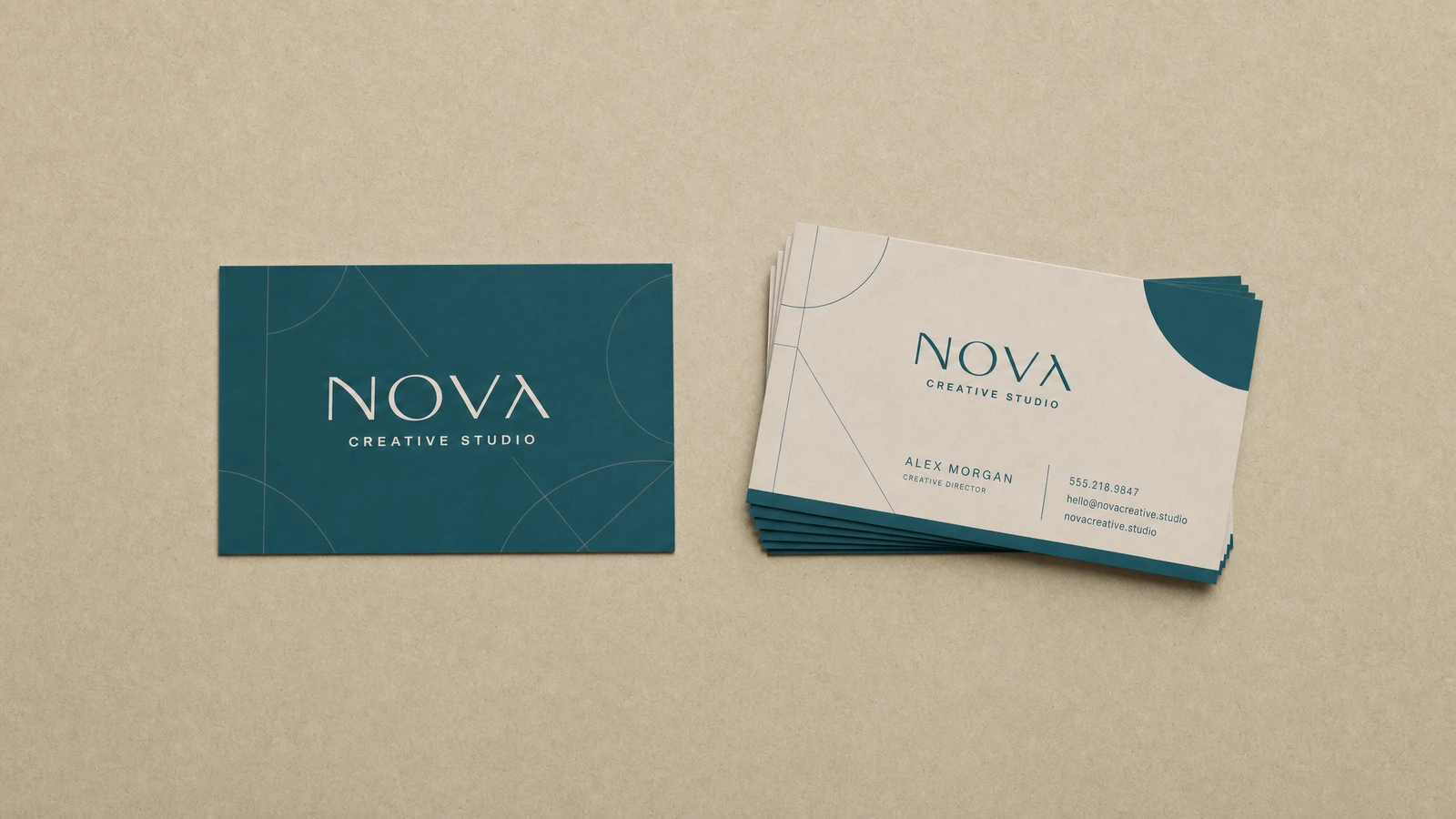
Explore the business card buying guide
What should a printed business card accomplish? ↑
A printed business card is a compact introduction carrying selected identity and contact information. Its job is not to replace a website or reproduce a company brochure. It should help the recipient identify you, understand your relevance, and find a practical way to reconnect.
Build the information hierarchy around your name or company name, role, and preferred contact route. Add a website, business address, or professional social account only when it contributes to the intended use. A short service description can clarify an unfamiliar business; a long list can compete with the details people actually need.
A printed QR code can connect the card to an online profile, portfolio, or other destination. Specify who controls that destination and who maintains it. A link to an editable page can accommodate changes to the page, but it cannot correct a telephone number already printed on the card. QR printing also does not imply that NFC hardware, hosting, analytics, or a subscription is included.
Choose dimensions around readability and real use ↑
A common US reference size is 3.5 × 2 inches (88.9 × 50.8 mm). This finished size appears in MOO’s official size options[1]. It is a market reference, not a confirmed manufacturing specification for this product. State the required finished dimensions explicitly rather than asking only for a “standard” card.
Distinguish the finished card from the artwork canvas. Bleed extends background artwork beyond the cut line; the safe area keeps essential content away from that line. Use the template approved for the actual order. Do not transfer another printer’s bleed or safety settings simply because the finished dimensions match.
Assess the layout at its intended physical size, not only enlarged on a monitor. Check the longest email address, smallest contact line, logo details, and contrast between text and background. If an important element is difficult to read, simplify the layout before adding decoration. Narrow borders and tightly positioned elements deserve particular attention during trim review.
For square, rounded-corner, or other proposed formats, test the intended wallet or holder with a physical sample. Fit and carrying quantity depend on actual dimensions, loading conditions, and sample validation; neither can be established from a product photograph. Include any holder requirement in the brief rather than assuming compatibility.
Which surface and reverse-side choices fit your purpose? ↑
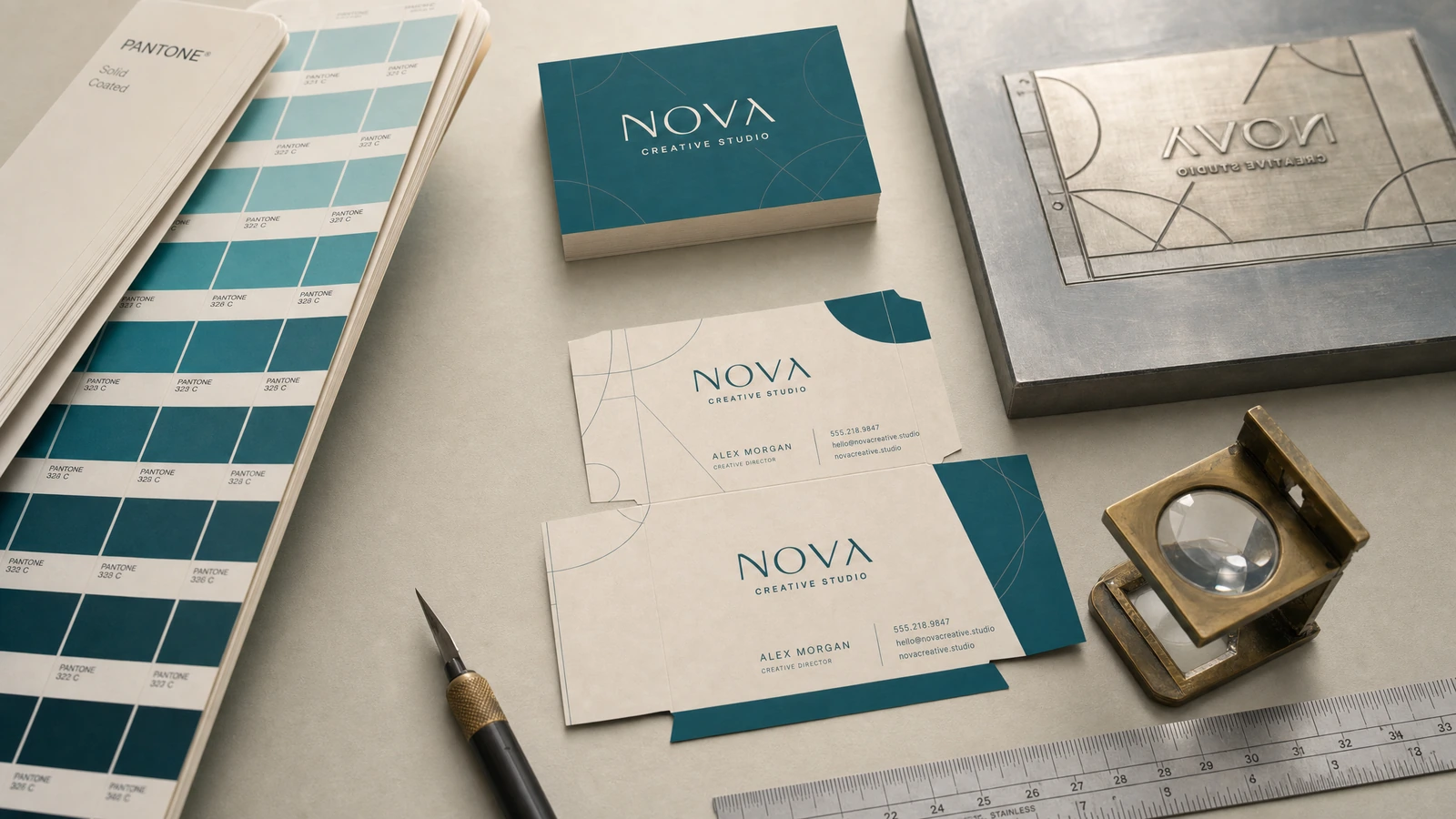
Define what you want to evaluate before choosing a finish name: a restrained appearance, a glossy image surface, a textured feel, a writable area, or a decorative accent. Treat these as separate requirements. “Premium,” “matte,” and “soft-touch” do not establish the same construction or performance across suppliers.
For an industry comparison, GotPrint’s published paper options[2] include 14 pt gloss and uncoated stocks, 16 pt matte stock, and thicker multilayer choices. These illustrate why a quotation should name both the paper and its surface treatment. They do not establish availability, equivalent feel, or durability for the product offered here.
| Proposed direction | Purpose to evaluate | Approval requirement |
|---|
| Matte appearance | A restrained presentation for text-led branding | Review the actual finish and printed contrast |
| Gloss appearance | An image-led or reflective presentation | Check readability under the intended lighting |
| Uncoated or textured paper | A tactile surface or space for handwritten notes | Test the intended pen and inspect fine details |
| Soft-touch treatment | A particular surface feel | Approve a physical sample; agree any handling test |
| Foil or spot UV accent | Selective emphasis on a logo or design element | Confirm artwork separation, placement, cost, and feasibility |
These are directions for quotation and sampling, not interchangeable upgrades. Do not assume a matte or soft-touch surface is writable, scratch-resistant, or suitable for every graphic. Where performance matters, define the intended use and request testing on the proposed construction.
Choose the reverse independently. A blank reverse may support notes; a printed reverse can carry a portfolio image, brief service message, or QR destination. Confirm single-sided versus double-sided printing and whether different names or reverse designs are treated as separate versions. No badge pin, clip, adhesive backing, magnetic backing, or other attachment is specified for this paper-card product.
How do you prepare artwork for approval? ↑
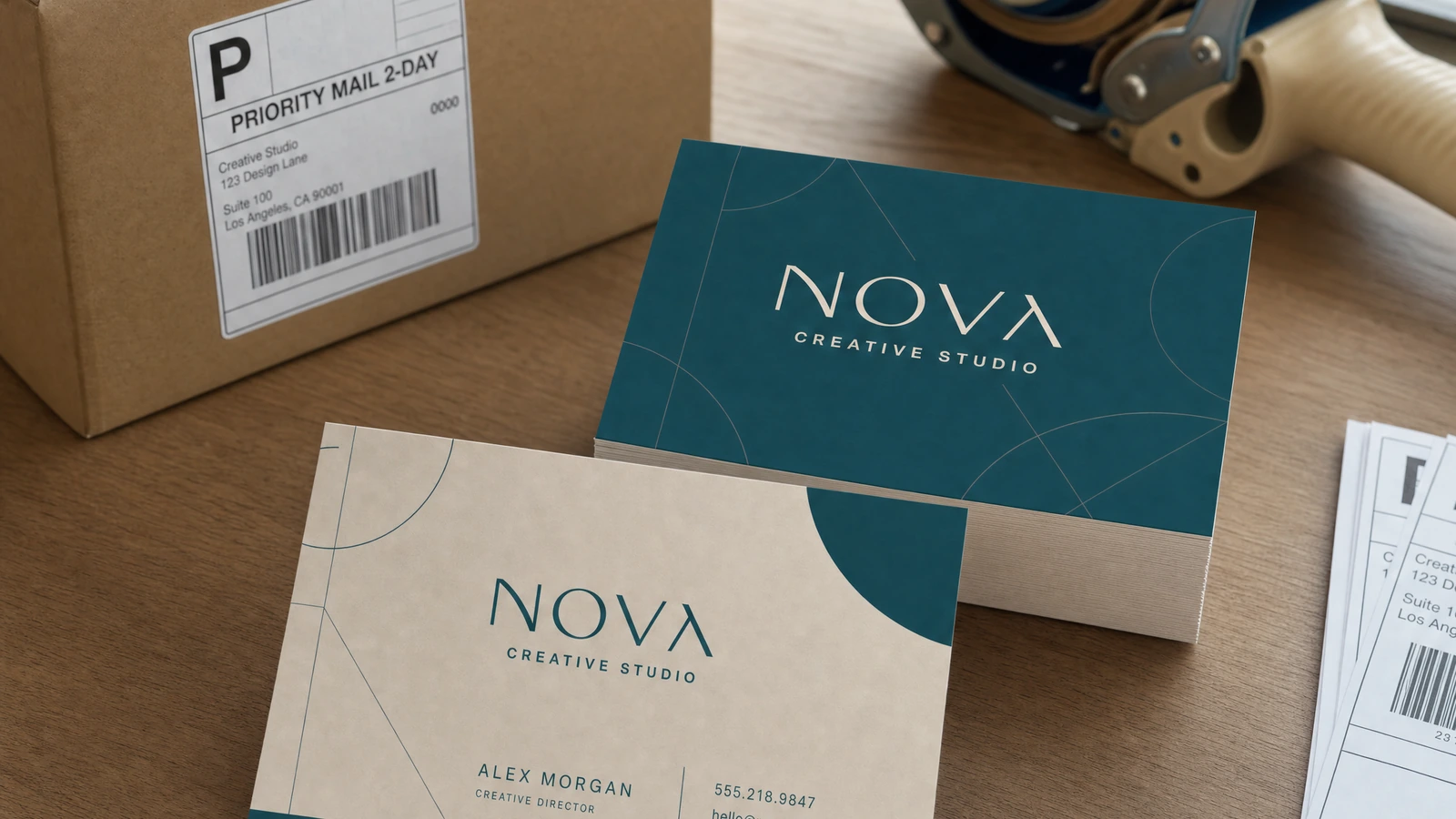
Preflight is the check that connects your design file to the agreed print specification. Begin with the supplier’s approved template and file requirements. A design can look complete while still containing an incorrect reverse, outdated contact line, or background that stops before the required bleed boundary.
- Confirm the content. Check names, titles, telephone numbers, email addresses, website destinations, and spelling against the buyer-approved source.
- Identify each side and version. Label front and reverse clearly. For team orders, associate each artwork version with its intended recipient and quantity.
- Check geometry. Confirm finished dimensions, orientation, bleed, safe areas, and any proposed corner treatment against the order template.
- Confirm color handling. Follow the agreed CMYK preparation requirements and identify brand colors that need physical review. Do not treat a screen preview as proof of an exact printed match.
- Separate special treatments. Ask how foil or spot UV artwork must be supplied before preparing those elements. Their presence in a visual mockup is not production approval.
- Check digital destinations. Verify the QR link and review the code at the intended printed size. Include a scan check on the physical sample when approving the design.
- Approve a named revision. Keep the final proof, written approval, and associated specification together so an earlier file cannot be confused with the released artwork.
A digital proof is useful for reviewing content and placement. It does not establish paper feel, finish behavior, or a measured color tolerance. If brand color is critical, agree the physical reference and acceptance approach before production. No factory color measurements or tolerances have been supplied for this product.
A sample should resolve a defined uncertainty. For a text-heavy card, prioritize reading the smallest information. For a dark design, inspect the printed background and edges. For a QR-led layout, check the printed code and its destination. Record what was evaluated instead of treating a general approval as evidence for every possible performance claim.
How should you plan sampling and production? ↑
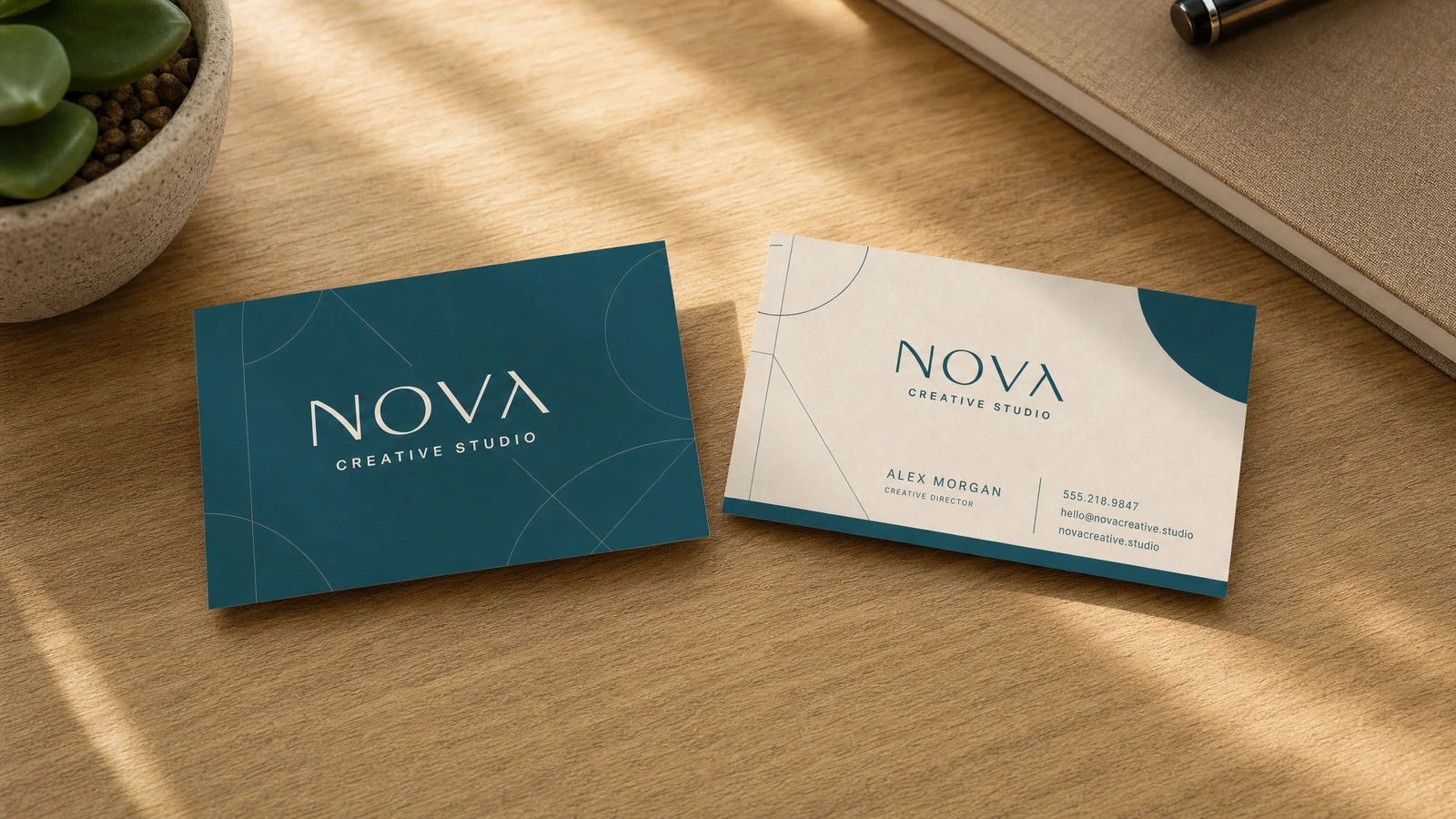
Use a written sequence: specification review, artwork preflight, sample decision, final approval, production, inspection, and dispatch. This is a recommended purchasing workflow, not a claim that any particular equipment, printing method, or inspection service is already included. The quotation should establish who handles each stage.
Clarify what a sample represents. An existing stock sample can help compare paper choices but may not show your artwork. A sample carrying your design is more relevant to layout review, yet its relationship to the final production method still needs confirmation. Ask which decisions the sample can support and which remain open.
For an event order, distinguish the required arrival date from the dispatch date. Ask when production timing begins, whether proof approval is a scheduling condition, how revisions affect the schedule, and whether the proposed finishing adds time. Confirm transit separately. An expedited shipping option alone does not establish an expedited production schedule.
For multiple employees or locations, include a version list with the quotation request. Resolve whether quantities are assessed per person, per artwork, or across the combined order. Confirm how versions will be identified during packing. These details make the requested scope clearer without assuming that mixed-design pricing or consolidated minimums are available.
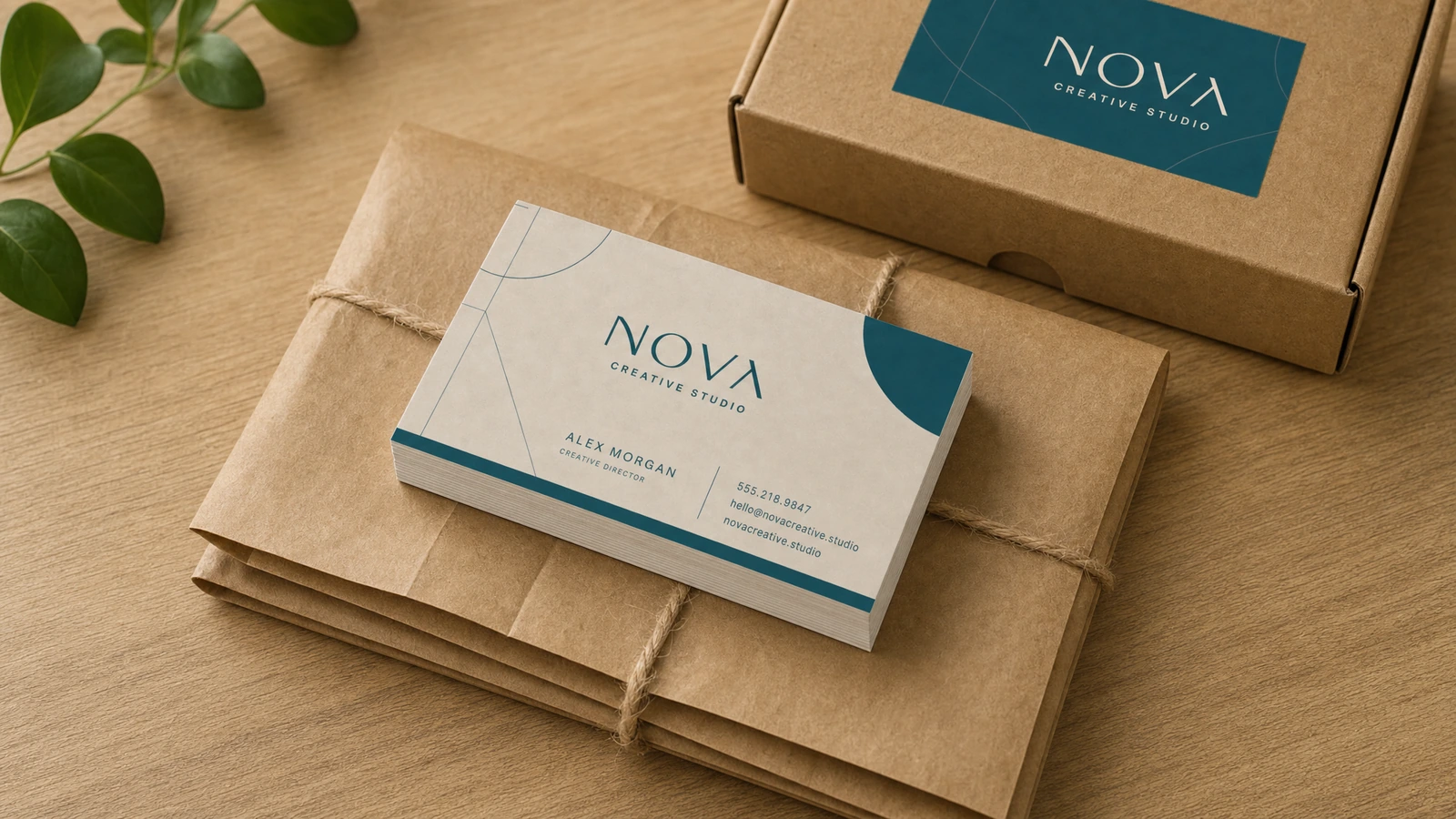
Compare complete specifications, not headline prices ↑
The useful comparison is between quotations for the same requirement. A single-sided basic card, a double-sided coated card, and a specially finished card are different purchases. Before comparing totals, align the finished size, paper, printed sides, versions, finish, sample scope, packaging, and delivery destination.
| Buying approach | When to consider it | Main tradeoff | What to confirm |
|---|
| Simple, text-led specification | Routine introductions and broadly distributed cards | Fewer decorative choices | Legibility, actual paper feel, and complete delivered cost |
| Texture or special-finish specification | Brand presentation where the physical sample matters | Additional artwork and sampling decisions | Finish feasibility, placement, sample cost, and schedule |
| Double-sided portfolio or QR layout | Creative work, service information, or online follow-up | More content and destination checks | Reverse artwork, scan performance, and link ownership |
| Local quick-print enquiry | An immediate event requirement | Available stock and finishing may limit the design | Actual pickup eligibility and the approved file deadline |
| Small initial trial | A new design or uncertain material choice | The trial adds a separate purchasing stage | Trial availability, minimum quantity, and relevance to repeat production |
No approach is automatically the cheapest or best. A lower initial total may describe a different specification, while an elaborate finish may add little value to a card intended mainly for handwritten appointments. Compare the configuration against its intended use before comparing suppliers.
Request an itemized quotation covering the cards, artwork assistance if needed, samples, special treatments, packaging, shipping, and any applicable charges. Record the quotation date and validity period. Where a charge is excluded or unresolved, keep it visible rather than treating the displayed print price as the final cost.
If environmental sourcing is a purchasing requirement, ask for evidence tied to the proposed paper and order. MOO’s FSC information[3] is an example of supplier-specific disclosure, not certification evidence for this product. Recycled content, certification status, and end-of-life claims remain unconfirmed here; do not describe the finished card as recyclable or biodegradable without relevant evidence.
What should you inspect before accepting the order? ↑
Agree acceptance requirements before the order is released. A useful inspection compares delivered cards with the approved artwork, named specification, and relevant physical reference. It should distinguish a content error from a finish concern and a production defect from shipping damage, rather than grouping every problem under “poor quality.”
| Inspection area | Practical check | Record to retain |
|---|
| Content and versions | Match names, details, front, and reverse to approved files | Artwork revision and photographs of discrepancies |
| Trim and alignment | Inspect centering, unexpected white edges, corners, and visible cutting defects | Clear front, reverse, and edge photographs |
| Color and surface | Compare with the agreed physical reference where supplied | Reference identity and description of the difference |
| Paper and handling | Check the specified stock and inspect creasing, separation, or surface damage | Sample identification and agreed test observations |
| QR function | Scan the printed code and verify the intended destination | Device used, observed result, and destination |
| Order completeness | Check quantities and version allocation against the order | Packing list and any shortage or mix-up record |
This is a proposed acceptance checklist, not a completed inspection report. Sampling scope, numerical tolerances, durability test conditions, and pass criteria must be agreed for the order. Photographs can document visible issues, but they do not replace measurements or physical evaluation where those are required.
Before paying, clarify the process for reporting defects, supplying evidence, and requesting a remedy. Keep the approved proof, quotation, correspondence, packaging photographs, and affected samples available. Reprint, refund, and transport-damage terms should come from the supplier’s written agreement; no particular remedy is promised on this page.
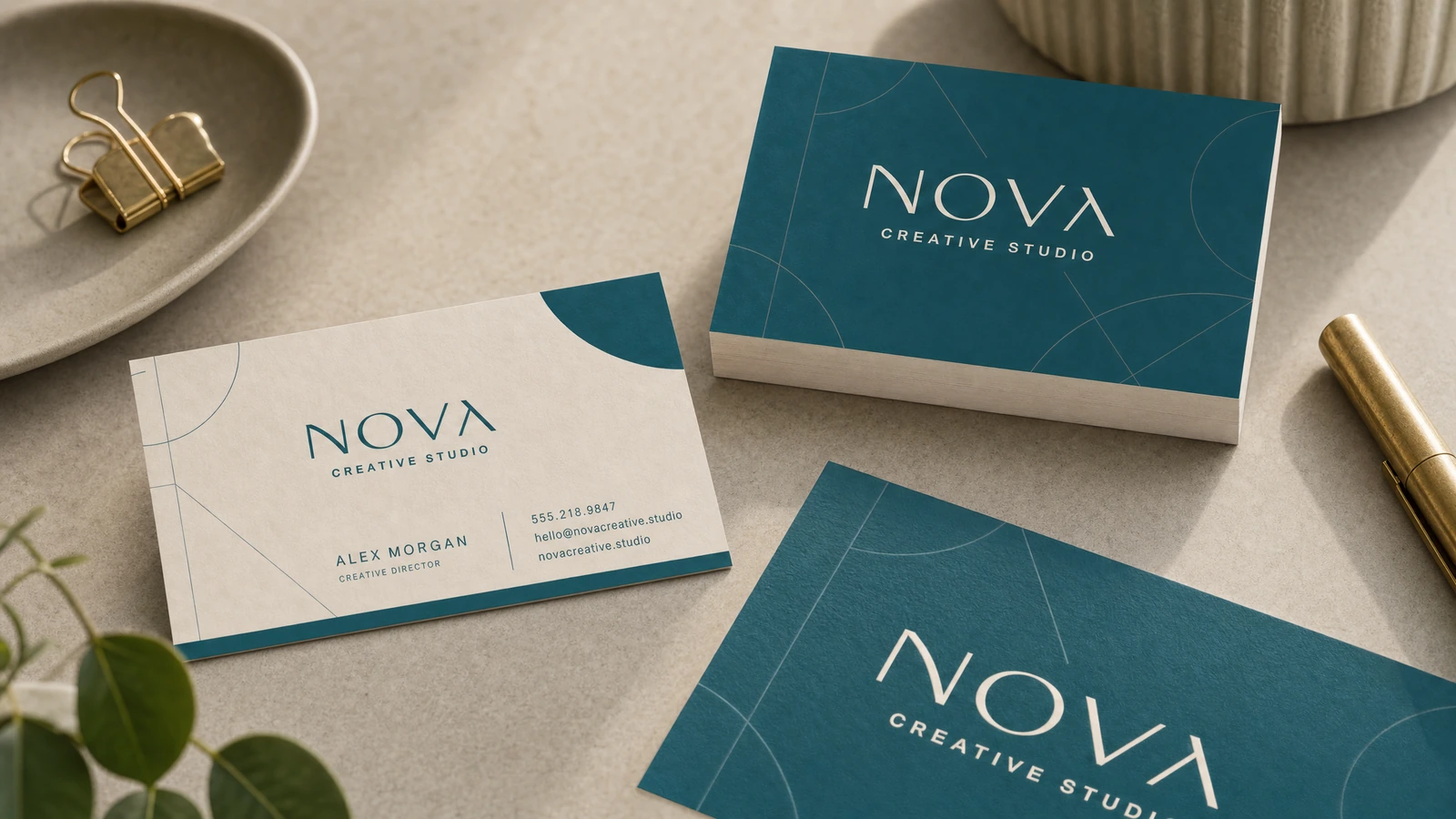
Protect the shipment and simplify repeat orders ↑
Ask how the proposed packing protects edges and printed surfaces during transit. For mixed-name orders, specify identifiable groups and a packing list that follows the approved version list. Confirm the proposed arrangement rather than assuming individual boxes, a particular protective material, or a standard number of cards per pack.
Package fit and packing quantity depend on physical dimensions, loading conditions, and sample validation. Unit weight and packed shipment weight are not available for this product. Where freight cost depends on those values, request the relevant measurements and packing details before accepting a transport estimate.
For repeat orders, retain the approved artwork revision, paper description, finish, dimensions, and physical reference where available. Recheck every contact detail and QR destination before reordering. If a supplier proposes a paper or finish substitution, treat it as a new approval decision rather than assuming the previous result will carry over.
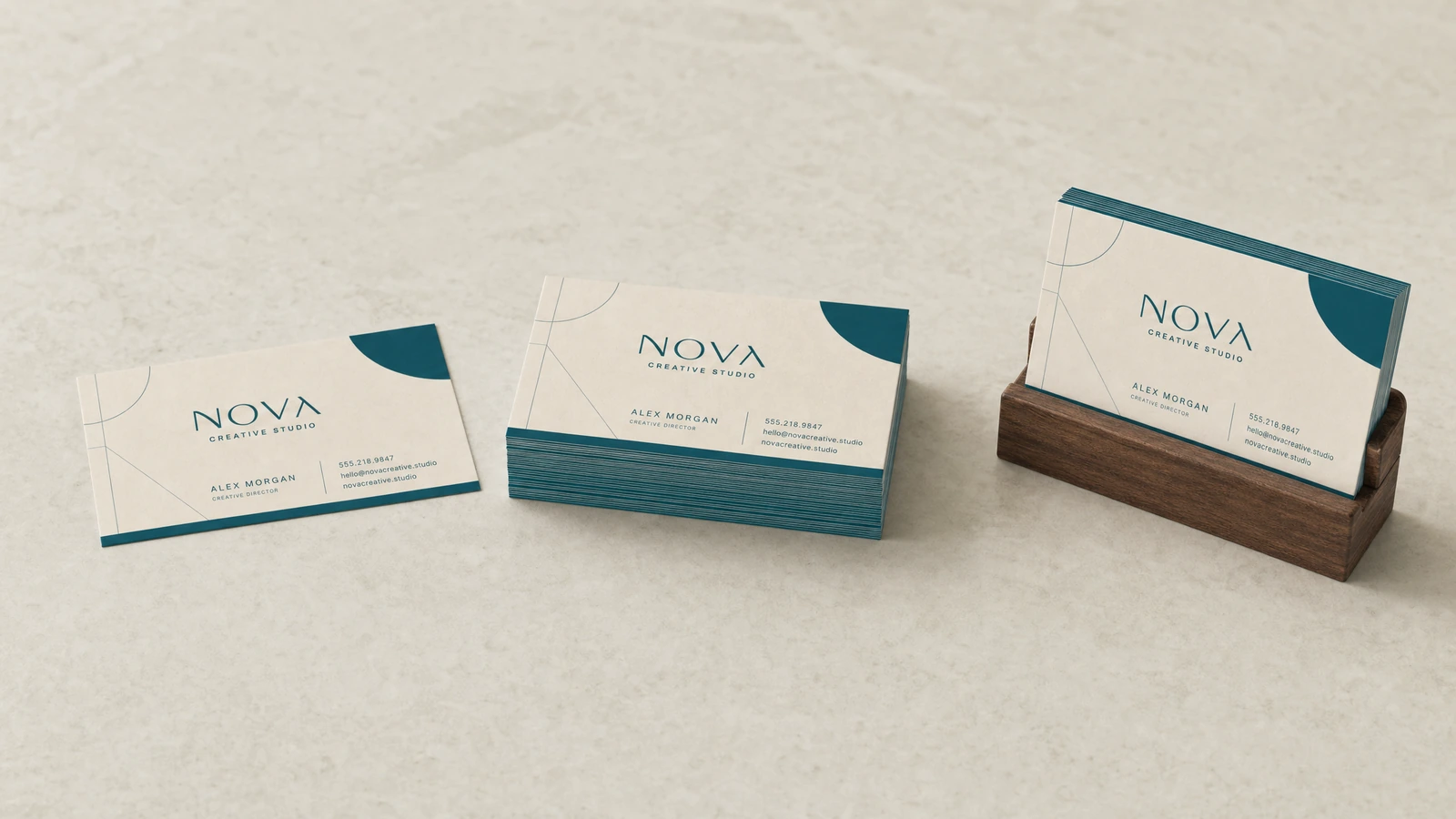
Keep these purchasing decisions in focus ↑
- Start with the recipient’s next action. Choose contact details, reverse-side content, and any QR destination around a specific use.
- Separate design approval from physical approval. Proofreading, paper feel, printed appearance, and handling checks answer different questions.
- Compare matched quotations. Align the specification, versions, samples, packing, and transport before judging price.
- Keep unverified claims out of the order brief. Certification, recycled content, durability, production timing, and available options need product-specific evidence.
- Define acceptance before production. Record the approved reference, inspection requirements, and written resolution terms.
Turn your brief into a clearly specified order ↑
The strongest starting point for custom business cards is a focused brief: who will use them, what the recipient needs to see, and which physical details must be approved. That turns paper, finishing, and delivery from assumptions into explicit purchasing decisions.
Request a specification-based quote for NSKU-711-01 with your artwork, intended quantity, preferred dimensions and finish, delivery destination, and required arrival date.




The information below is required for social login
Sign In
Create New Account