We use cookies to enable our websites to remember information, to help some website functionalities to work properly, to understand how you interact with and use our websites and to display you content and ads that are relevant and engaging for you.
By clicking Accept All you consent to the use of these cookie.
The store will not work correctly when cookies are disabled.
Quick answer: Choose a stencil making company that can give you six things in writing: the film thickness and adhesive class it actually cuts, the smallest line width and island it will hold, a proof you approve before cutting, an inspection against that approved file, flat or rolled packaging with a damage-remake policy, and a quote that separates proof, production and transit time. Vague specs, unsigned proofs and rendered product photos are the clearest warning signs.
If you are shortlisting a stencil making company for an event, a retail rollout or a branded promotion, the stencil is rarely the costly part of the job. The costly parts are a launch date that cannot move, a crew already booked on site, and a mask that arrives creased, missing the inner islands of your logo, or pulling fresh paint off a wall when it is peeled.
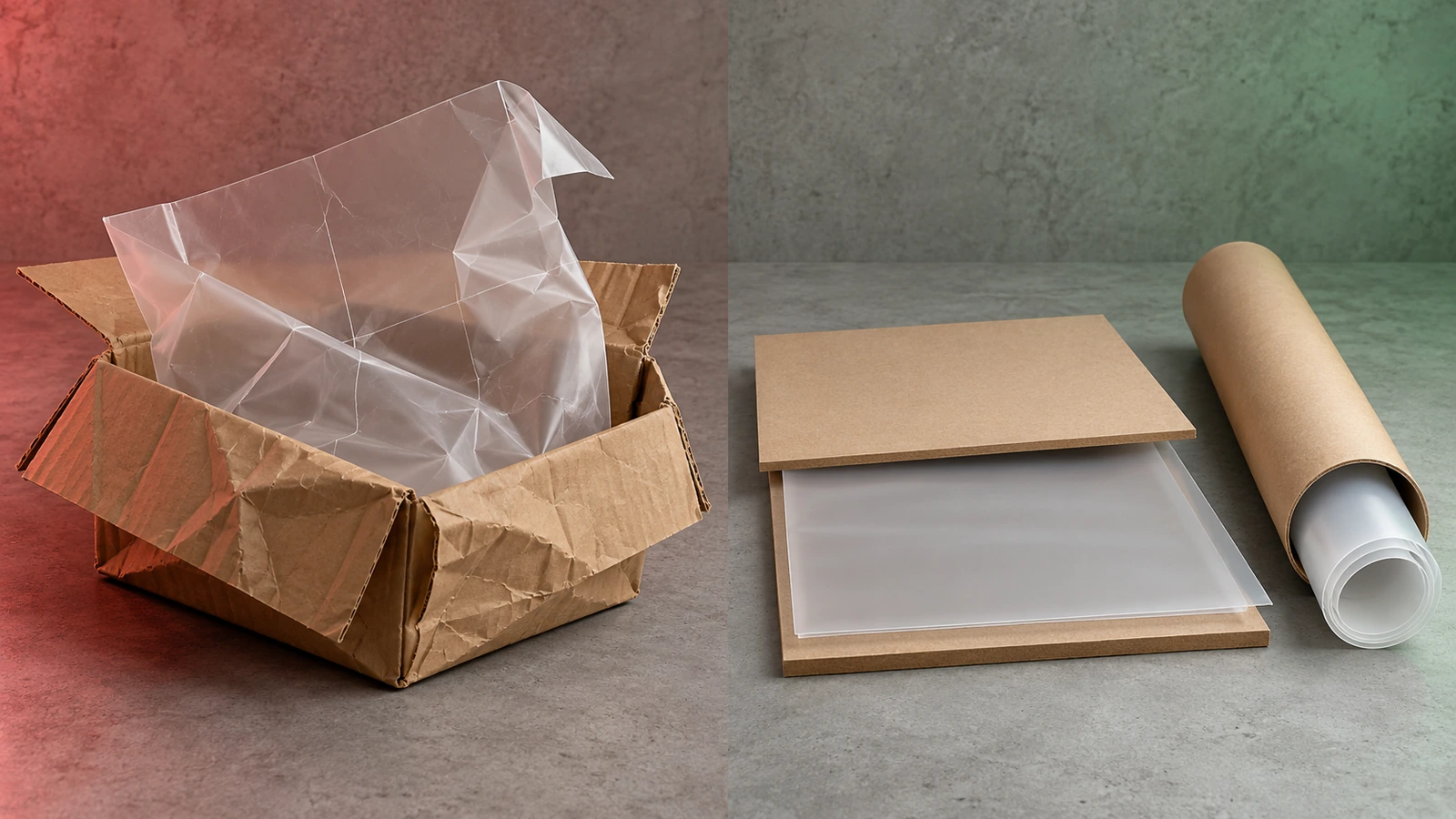
These failures are well documented. Across public product pages, verified buyer reviews and maker forums reviewed for this guide (October 2026), the same patterns repeat. One supplier describes its adhesive film as 3 mil on one page and 7 mil on another, and quotes reuse as "1–3 uses" in a tutorial but "4–5 uses" on the product page. Buyers report masks shipped folded and unusable, designs arriving with chipped details that looked sharper in the advertising photo, and wall paint lifting off in "three large chunks" during removal. None of these is a cutting problem. Each one is a supplier-process problem that could have been caught before the purchase order was signed.
The fix is to evaluate suppliers on evidence instead of adjectives. This guide gives you the questions, the documents to request and the red flags to screen, so you can compare quotes on what you will actually receive.
What Does a Stencil Making Company Actually Do?
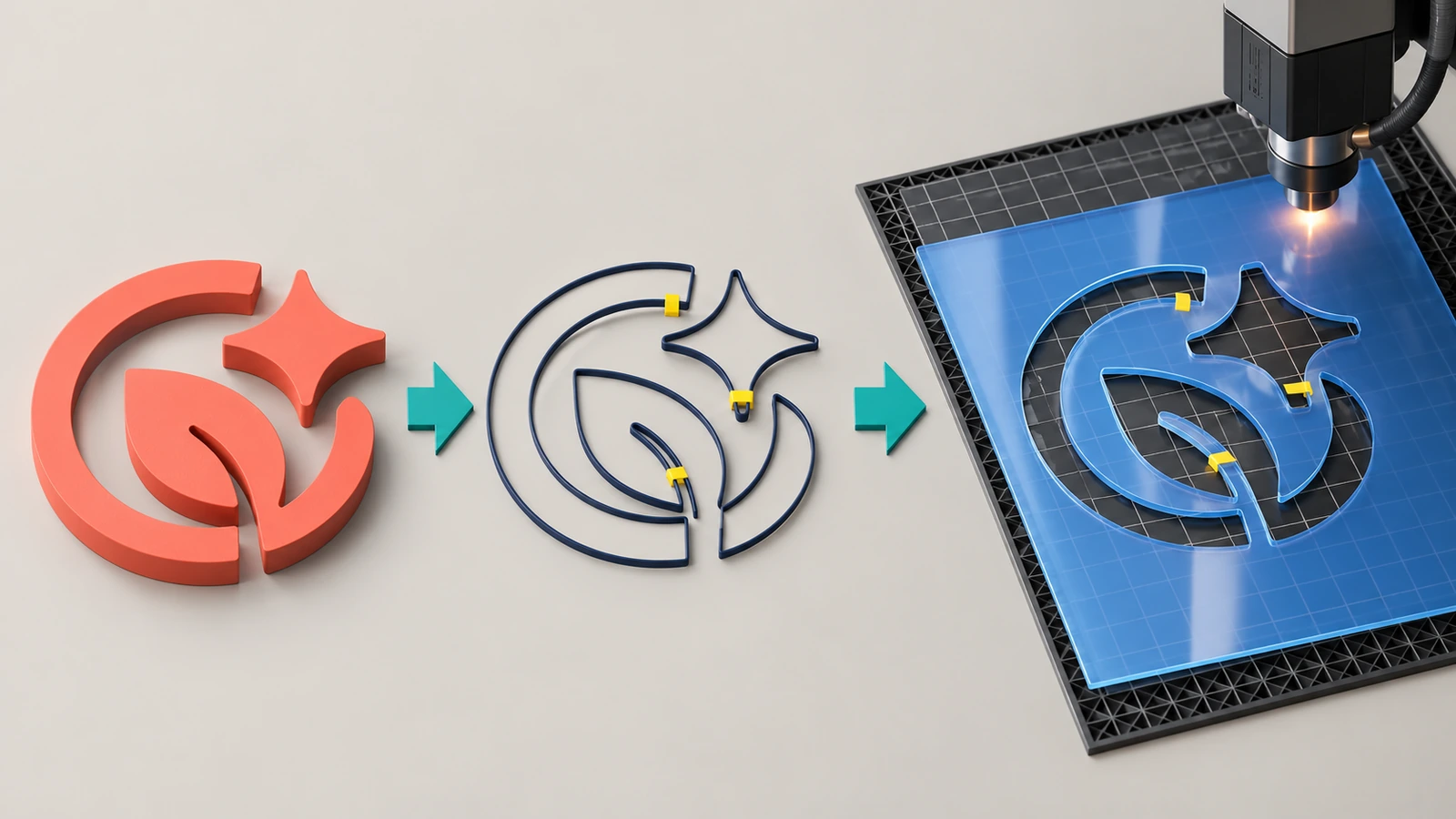
A stencil maker turns your artwork into a temporary paint or etch mask. The visible step is cutting, but the work that decides whether the job succeeds happens before and after it. Before cutting, the supplier converts raster art to vector paths, checks every line against the minimum width its machine can hold, adds bridges (thin connectors that keep the centres of letters like O, A and 8 in place) where the material needs them, and splits oversize art into registered panels. After cutting, it removes waste material, inspects the sheet against the approved proof and packs it so it arrives flat.
This is different from a sticker or decal printer. A decal is meant to stay on the surface; a stencil mask is meant to come off cleanly and leave only paint behind. Suppliers that treat the two as the same product tend to ship permanent-grade adhesives that are hard to remove from painted drywall.
The buyer side is broader than most people assume. Industry trade coverage of the stencil category notes that customers typically order stencils not to make art but to promote a business, company or event[1], from fan face-painting at stadium events to branded giveaways at conferences. In construction, decorative concrete contractors favour adhesive-backed stencils because they hold a pattern in place during sandblasting or color application, while noting that they need a smooth surface and are generally not reusable[2]. A competent supplier therefore asks about your substrate, coating and number of uses before it recommends a material.
How to Evaluate a Stencil Making Company in Six Steps
Run each shortlisted supplier through the same six checks. The goal is to collect comparable written answers, so ask every vendor identical questions and keep their replies in one sheet.
Step 1: Match production capabilities to your hardest artwork
Do not ask "can you cut my logo?" Every vendor will say yes. Ask for numbers instead:
Cutting method. Laser cutting suits polyester and polyethylene films and produces sealed edges; drag-knife plotters suit vinyl films supplied with transfer tape. Many laser shops refuse PVC-based vinyl entirely, because burning chlorinated plastic releases corrosive gas. If a laser shop says it cuts "vinyl," ask exactly which polymer.
Minimum line width and minimum island size, stated in millimetres or inches. Small cut-outs can stick to the blade and get lost during production, which is the most common reason fine logos arrive incomplete.
Bridge policy. Will the supplier add bridges, show them on the proof, and ask you to approve them? Some self-adhesive letter masks are cut without bridges and rely on transfer tape instead. Either approach works, but you need to know which one you are buying.
Oversize handling. When art exceeds the machine bed, the supplier should split it into panels with alignment marks and tell you where the seams fall before cutting.
The quickest test is to send the most detailed element of your artwork and ask the vendor to flag any feature it would have to thicken, simplify or bridge. A supplier that returns no comments on a complex file has probably not reviewed it.
Step 2: Get the material range as a spec sheet, not a word
"Adhesive vinyl" is not a specification. Publicly listed adhesive mask films currently cluster around 3–7.5 mil (about 0.076–0.19 mm; 1 mil = 0.0254 mm), while non-adhesive polyester stencils typically run 10–14 mil. Within that band, tack level, face material and liner change results more than thickness does. Ask each supplier to fill in these fields:
Field
Why it matters
A credible answer looks like
Face film and thickness
Thicker film survives handling; thinner film conforms to curves and fine detail
Polymer named, thickness in mil or mm
Adhesive type and tack class
High tack seals edges but can lift weak paint; low tack removes cleanly but may bleed
"Removable water-based acrylic, low tack" rather than "strong"
Peel adhesion with test method
The only objective way to compare tack between vendors
A value with its method, e.g. FINAT FTM 1, reported in N/25 mm
Minimum application temperature
Cold surfaces cause corner lift
One widely used stencil film datasheet lists 10 °C / 50 °F
Shelf life and storage
Old stock loses tack
Same datasheet: 2 years at 20 °C and 50% relative humidity
Stated reuse count and its basis
Vendors often quote the optimistic case
A guaranteed number plus the conditions behind any higher claim
Two answers deserve extra scrutiny. If the reuse count changes between the product page, the FAQ and the sales email, ask which one the supplier will put on the invoice. If no peel or tensile data exists at all (tensile is usually reported to ISO 527), the supplier is most likely reselling a film it has never characterised. Which mask type fits your project is a separate decision, covered on our custom adhesive stencils page.
Step 3: Audit the proofing and quality-control trail
A proof is only useful if it is a controlled document. Ask to see a sample proof from a past job and check that it shows:
Artwork at true scale, with overall dimensions
Bridges and panel seams marked
Risk notes on any feature near the minimum width
A version number that will match the cut file
Approval should be written and timestamped, and the supplier should be able to confirm that it cut the exact approved version. Then ask what happens after cutting. A credible inspection compares every sheet against the approved proof on small runs (sampling only makes sense on large repeat runs) and checks for missing islands, broken bridges, scorched or rough edges, edge curl and incomplete waste removal.
Ask for photographs of real cut samples, not renders. One verified review in the research set described a delivered stencil with "much less" detail than the advertised photo, and the seller changed the photo afterwards. If you need guidance on what to put in your own brief and how to inspect a delivery on arrival, the product page walks through briefing, proofing and receiving inspection step by step.
Step 4: Read MOQ, pricing and lead times on the same basis
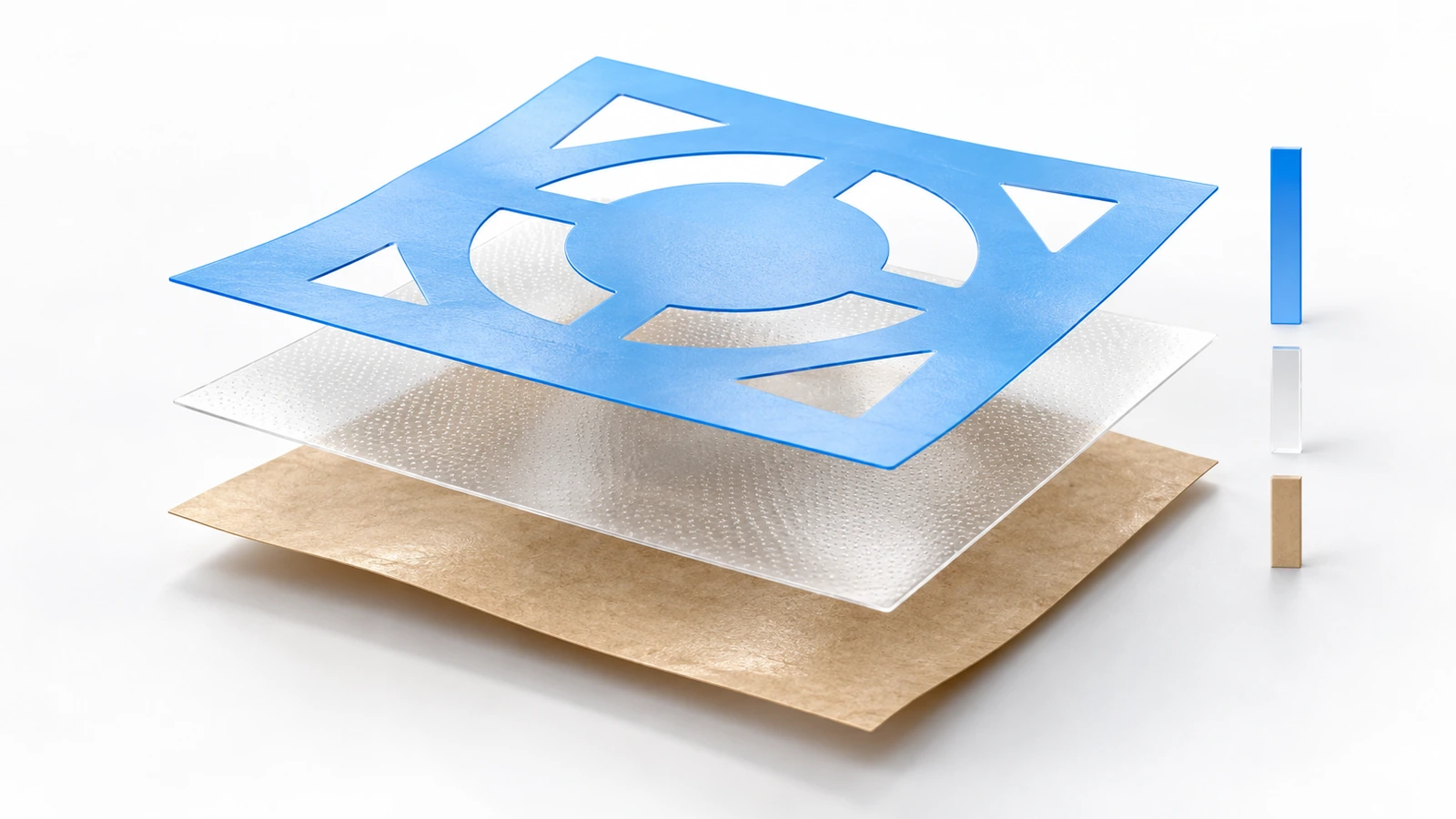
Stencil quotes come in three pricing models that cannot be compared directly. Letter-cutting shops price by character height. Logo-focused shops price per sheet from a starting rate. Industrial makers quote per project. To compare them, convert each quote to cost per usable application. A single-use mask costs the full price per job, while a reusable polyester stencil spreads its cost across however many clean pulls it delivers on your surface.
Minimum order quantities vary just as widely. Many custom shops will cut one piece, while converting factories tie minimums to set-up and material width. Ask where the price breaks fall rather than only asking for "the MOQ," because the break points tell you how the supplier's costs are structured.
For lead time, insist on three separate figures:
Proof turnaround, including how many revision rounds are covered
Production time after written approval, including the daily cutoff that starts the clock
Transit time and carrier
Then ask about rush options and holiday shutdowns. A single blended figure such as "about a week" hides the revision loop, and revision loops are where event deadlines are usually missed. For our own masks, quantities, pricing and timing are confirmed per project, so send your artwork and deadline to receive a written quote.
Step 5: Check only the compliance claims that apply to your use
Most stencil jobs need no certification at all, so treat compliance claims as a test of supplier honesty.
Food contact. U.S. rules distinguish adhesives separated from food by a functional barrier under 21 CFR 175.105[3] from pressure-sensitive adhesives used as the food-contact surface under 21 CFR 175.125[4], which limits both the permitted substances and the food types. A supplier that labels an ordinary paint mask "FDA approved" is overclaiming. If your mask will touch food, ask for written confirmation of the adhesive system.
Durable labels. If the cut film will stay in place as a label on containers, the relevant performance reference is ASTM D7932-17(2023)[5] for pressure-sensitive labels in extreme distribution environments. It does not apply to temporary paint masks.
Children's products. Kits sold for children under 12 move into CPSIA testing and ASTM F963-23. Adult craft and commercial masks do not.
Paint VOC. VOC limits govern the paint, not the film. The 2025 California Green Building Standards Code, effective January 1, 2026, ties architectural coatings to the CARB suggested control measure table in §5.504.4.3[6]. That table lists flat coatings at 50 g/L but sign and graphic-arts paints at 500 g/L, so your paint category matters more than any "low-VOC" wording on a stencil.
Environmental claims. The FTC's Green Guides (16 CFR Part 260)[7] require substantiation for every reasonable interpretation of a claim. A mask combines film, adhesive and liner, so an unqualified "recyclable" or "eco-friendly" label is a red flag rather than a selling point.
Step 6: Screen the red flags, then run a paid test
Any of the following should pause a signature until it is resolved in writing:
Thickness, tack or reuse figures that differ across the supplier's own pages
No proof step, or a proof without dimensions or a version number
Product photos that are renders rather than photographed cut samples
No stated minimum line width or island size
Large sheets shipped folded, or no remake policy for transit damage reported with photos
"FDA approved," "eco-friendly" or "certified" with no regulation or test method attached
A blended lead time with no separation between proof, production and transit
Damage claims resolved only by asking you to buy again, a pattern that appears in public reviews
Once a supplier passes the screen, order a test piece that reproduces your hardest detail at actual size. Apply it to the real substrate with the real paint and score it on four points: edge sharpness, bleed, removal residue and whether any coating lifted. That small test protects the full rollout.
Comparing Supplier Types: Which Stencil Making Company Model Fits Your Order?
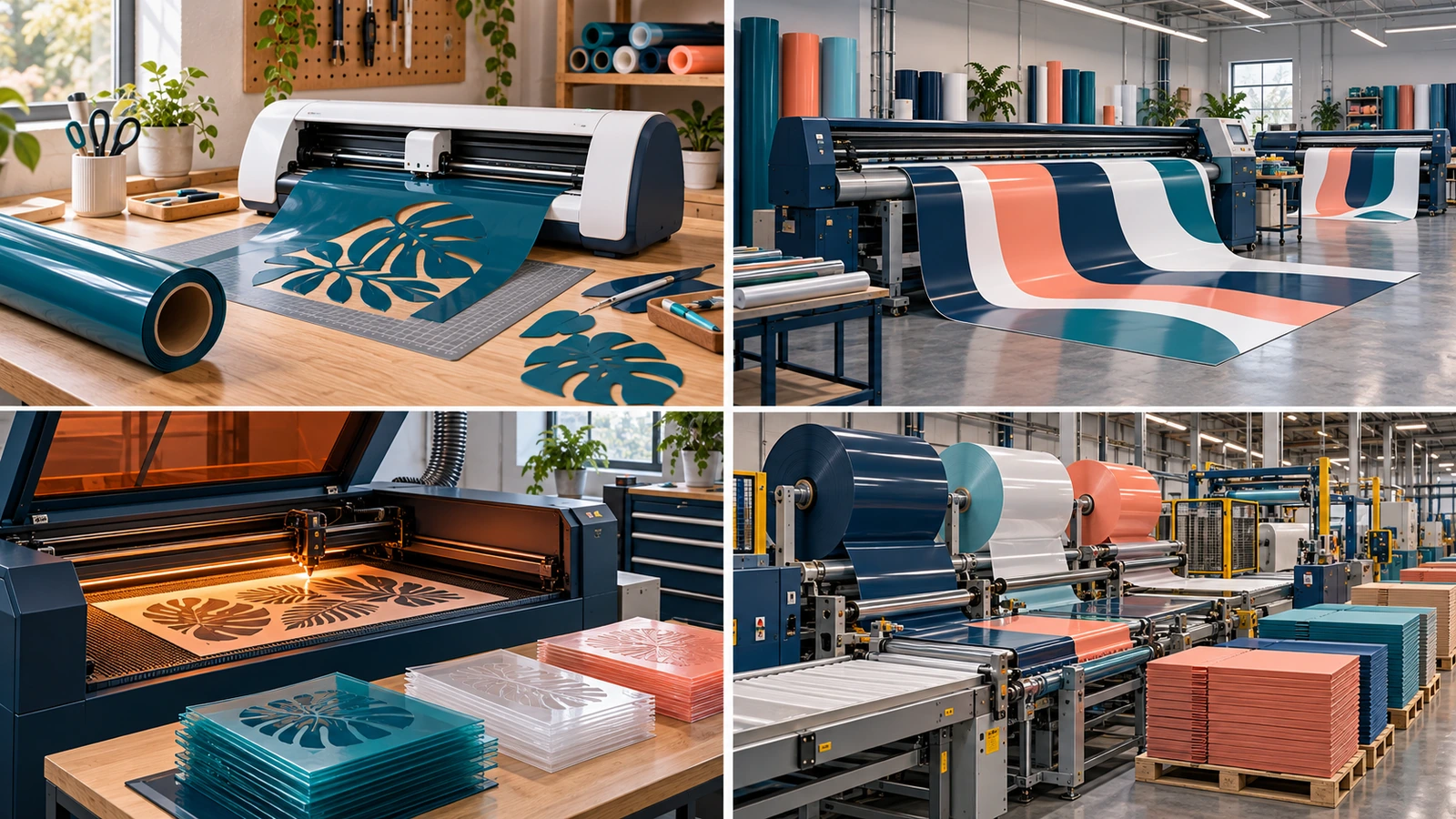
Search results for custom stencils mix four different business models. Knowing which one you are talking to explains most differences in price, flexibility and documentation.
Supplier type
Typical strengths
Typical limits
Best fit
Verify first
Craft letter-cutting shop
Simple online ordering, letter masks with transfer tape, often without bridges
Mostly text and short phrases; single-use films; limited data sheets
One-off signs, wall lettering, small DIY or retail jobs
Removability on painted walls; packaging for long sheets
Peel data per batch; inspection records; damage policy
To compare finalists objectively, weight a scorecard to match your risk. For deadline-driven B2B work, a practical split is 25% specification transparency, 25% proof and QC evidence, 20% capability fit with your artwork, 15% packaging and logistics, and 15% commercial terms. Price sits last on purpose, because a cheaper mask that fails on site costs more than the full stencil budget.
FAQ
FAQ: What should I send a stencil making company to get an accurate quote?
Send vector artwork (or the best file you have), the finished size, the substrate, the paint or etch medium, how many uses you need, the quantity and your in-hand date. Substrate and paint are the fields buyers most often leave out, and they decide which adhesive class the supplier should recommend.
FAQ: How many proof rounds are reasonable?
No standard exists, so get the number of included revisions written into the quote. What matters more is that each proof carries a version number and that the cut file matches the version you approved in writing.
FAQ: Is a low MOQ a sign of a weaker supplier?
No. Single-piece ordering is common among specialist stencil makers, while converting factories set minimums based on set-up and material width. Judge suppliers by where their price breaks fall and whether quality documentation scales with volume.
FAQ: Can a supplier honestly call an adhesive stencil food-safe or recyclable?
Only with specifics. Direct food contact by a pressure-sensitive adhesive falls under 21 CFR 175.125, which restricts substances and food types, and environmental claims must meet the FTC Green Guides across the film, adhesive and liner. Ask which regulation or test the claim relies on.
FAQ: Should I always order a sample before a bulk run?
Yes, for any new artwork, substrate or paint system. A single test piece at full size shows bleed, residue and coating lift under your real conditions, which no data sheet can predict.
FAQ: Do I need a domestic supplier to meet an event deadline?
Not necessarily. What protects a deadline is a supplier that states proof, production and transit times separately and commits to them in writing. Distance only matters once you add up those three figures.
Key Takeaways
Adhesive-backed stencils depend on the surface, so suppliers should ask about yours first. — Contractor guidance (2014) notes they need a smooth surface and are generally not reusable (Source)
"FDA approved" on a paint mask is an overclaim. — Direct food-contact PSAs are restricted under 21 CFR 175.125 by substance and food type (Source)
VOC rules apply to your paint, not the stencil film. — CALGreen 2025, effective January 1, 2026, references limits ranging from 50 g/L for flat coatings to 500 g/L for graphic-arts paints (Source)
Unqualified green claims are a red flag. — 16 CFR Part 260 requires substantiation for every reasonable interpretation (Source)
Label performance standards do not certify temporary masks. — ASTM D7932-17, reapproved in 2023, covers printed PSA labels in extreme distribution (Source)
Liner and adhesive recyclability is moving fast in labels but not yet in masks. — Liner-to-insulation recycling expanded in October 2025 (Source)
Conclusion
The right stencil making company is not the one with the most confident product page. It is the one that puts thickness, tack, minimum feature size, proof versioning, inspection criteria, packaging and three-part lead times in writing, and keeps those figures consistent across its own documents. Collect the same answers from every shortlisted vendor, screen the red flags, and confirm the winner with a full-size test on your real surface.
If your project calls for a self-adhesive mask with crisp, bleed-resistant edges, review our custom self-adhesive vinyl stencil masks and send your artwork, substrate and deadline. We will reply with a proof and a written quote covering quantity, pricing and timing.
Hi there! I'm Bruce, proud dad to my amazing son. I'm the founder of Zigpac, a printing and packaging company empowering small and medium-sized businesses with custom solutions. Let's create something great together!



 Blog PDF for offline reading













The information below is required for social login
Sign In
Create New Account