We use cookies to enable our websites to remember information, to help some website functionalities to work properly, to understand how you interact with and use our websites and to display you content and ads that are relevant and engaging for you.
By clicking Accept All you consent to the use of these cookie.
The store will not work correctly when cookies are disabled.
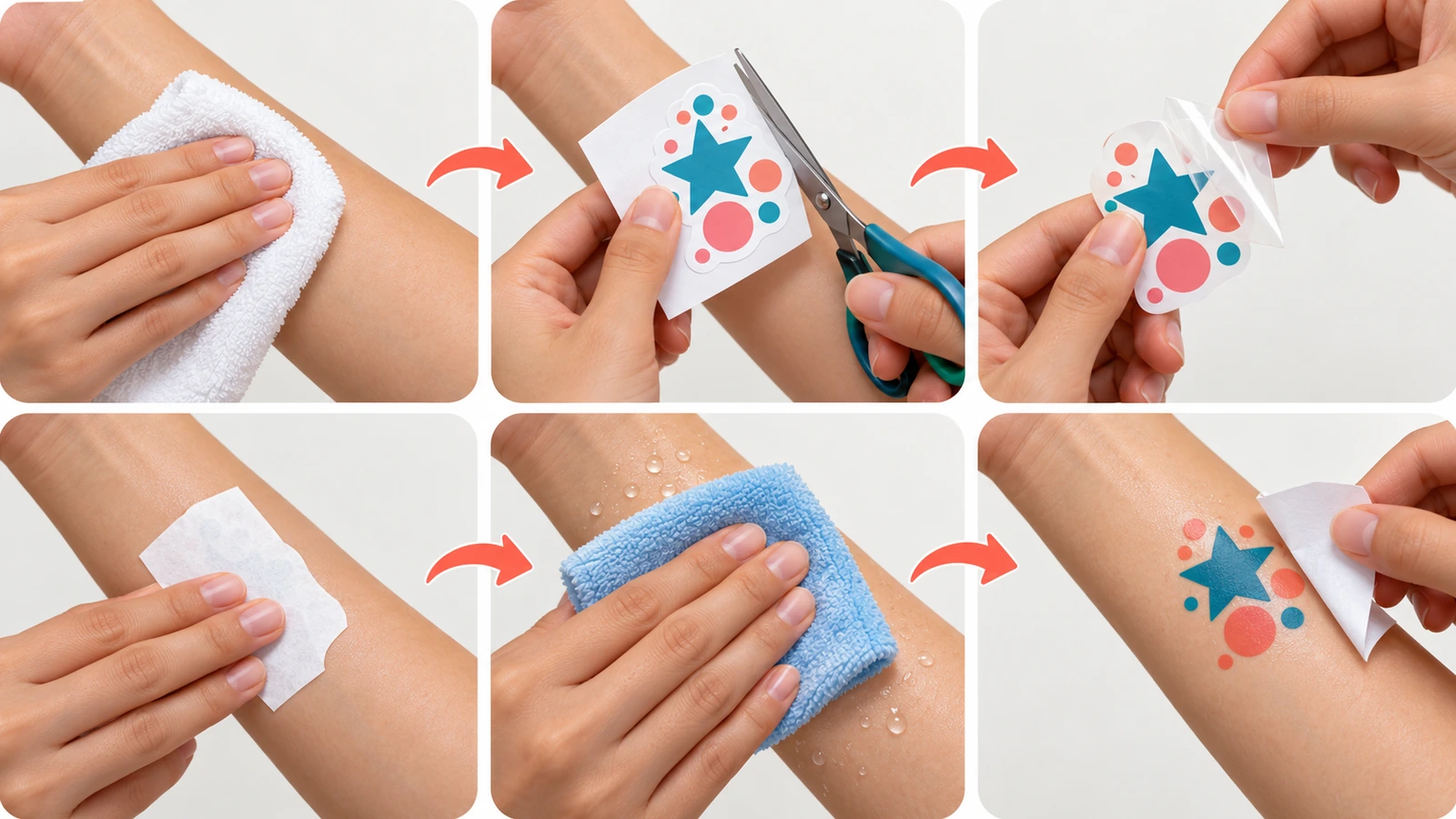
Quick answer: Here is how to use temporary tattoos: clean and dry a smooth, low-hair patch of skin, cut the design close to the edge, peel off the clear film, press the design face-down, hold a damp cloth firmly on the backing for 30–60 seconds, then slide the paper off and leave the area untouched until it dries. To remove one, use baby oil or another oil-based cleanser. Soap and water alone rarely works.
If your team needs to know how to use temporary tattoos on hundreds of guests in a single afternoon, the hard part is consistency rather than the technique itself. A design that looks sharp on the first volunteer can look patchy on the fortieth if staff rush the soak, share one damp sponge, or apply over sunscreen. This guide gives you a repeatable station setup, a six-step application method, placement and removal advice, a troubleshooting table, and wording you can reuse for printed attendee instructions.
Buyer reviews of water-transfer tattoos show the same failures again and again. Edges lift within two hours. Air bubbles form at every arm hair. Black ink turns blurry. Guests scrub with soap and get nowhere because many transfer inks are oil-soluble. There is also a safety side: the U.S. Food and Drug Administration has received reports of adverse reactions to some decal-type temporary tattoos. At a branded event, one red, itchy forearm stops being a small craft problem and becomes a reputation issue. Most of these failures come from how the tattoo was applied, where it was placed, or how it was removed, so a trained crew and a written protocol prevent nearly all of them.
What a Water-Transfer Temporary Tattoo Actually Is
A water-transfer temporary tattoo is a printed image on a release paper, topped with a thin skin-contact adhesive and covered by a clear protective film. When water dissolves the release layer, the ink and adhesive move from the paper onto the skin. Nothing enters the skin. The design sits on the surface and wears away with friction and skin shedding.
In the United States, these products are regulated as cosmetics. The FDA's temporary tattoo fact sheet[1] separates decals into two types. In the first, wetting releases the image directly onto the skin. In the second, the backing itself stays stuck to the skin and acts as a partial barrier between the dyes and the skin. The same fact sheet says decal tattoos "may last for a day or up to a week or more." It also states that color additives must be approved for their intended use and that the agency does not pre-approve finished temporary tattoo products. Treat any pack that claims to be "FDA approved" as a red flag.
This classification has two practical effects for event teams. First, packs sold at retail must list their ingredients. The labeling rules sit in 21 CFR Part 701[2], so you should have an ingredient list ready when a parent asks. Second, "black henna" is a different product category altogether. It often contains p-phenylenediamine (PPD), which is not permitted in cosmetics applied to the skin. Never mix black henna into a sticker activation.
If you need detail on how printed sheets are constructed or how artwork is sized to stay readable on skin, our page on custom water-transfer tattoo sheets for events and brands covers it. The rest of this guide covers what happens once the sheets reach your venue.
How to Use Temporary Tattoos: The 6-Step Application Method
Prep the skin (10–15 seconds). Wipe the spot with a fresh, lightly damp towel or an alcohol-free cleansing wipe, then pat it fully dry. Lotion, sunscreen, and body oil are the most common reasons the adhesive fails, so apply the tattoo before any of them or choose a clean area. Skip skin that is broken, sunburned, freshly shaved, or already irritated.
Trim close to the art (about 10 seconds). Cut 1–2 mm outside the printed edge and round any sharp corners. Clear film past the design catches light and lifts first. Pre-cut sheets save this step at a busy booth.
Remove the clear film. Peel the transparent protective layer from the printed side. Do not touch the exposed ink, because skin oil on your fingertips weakens adhesion.
Place it face-down and hold it still. Press the design firmly onto the skin with the printed side down and the paper side facing you. Do not slide it, because the image will smear once it gets wet.
Saturate and press (30–60 seconds). Press a soaked cloth or paper towel flat over the whole backing. The paper should look evenly translucent with no dry patches. Thicker papers and large sleeve designs need the full 60 seconds or more, and reviewers who applied full-arm designs say not to rush this step because you only get one attempt.
Peel, then leave it alone. Test one corner first. If the ink stays on the paper, re-wet it for another 15–20 seconds. Once the paper slides away cleanly, dab off surface water and tell the guest not to touch the area for a few minutes. If you want a matte, less shiny finish, dust it lightly with baby powder or cornstarch after it has fully dried (buyers commonly wait 30–60 minutes).
Waterless "peel-and-press" film tattoos use a different routine. You remove the backing, press firmly and evenly for about 30 seconds, then lift slowly from one corner without any water. Check the pack instructions before the event so that staff do not soak a format that is not designed for water.
How to Put Temporary Tattoos On Guests at Scale
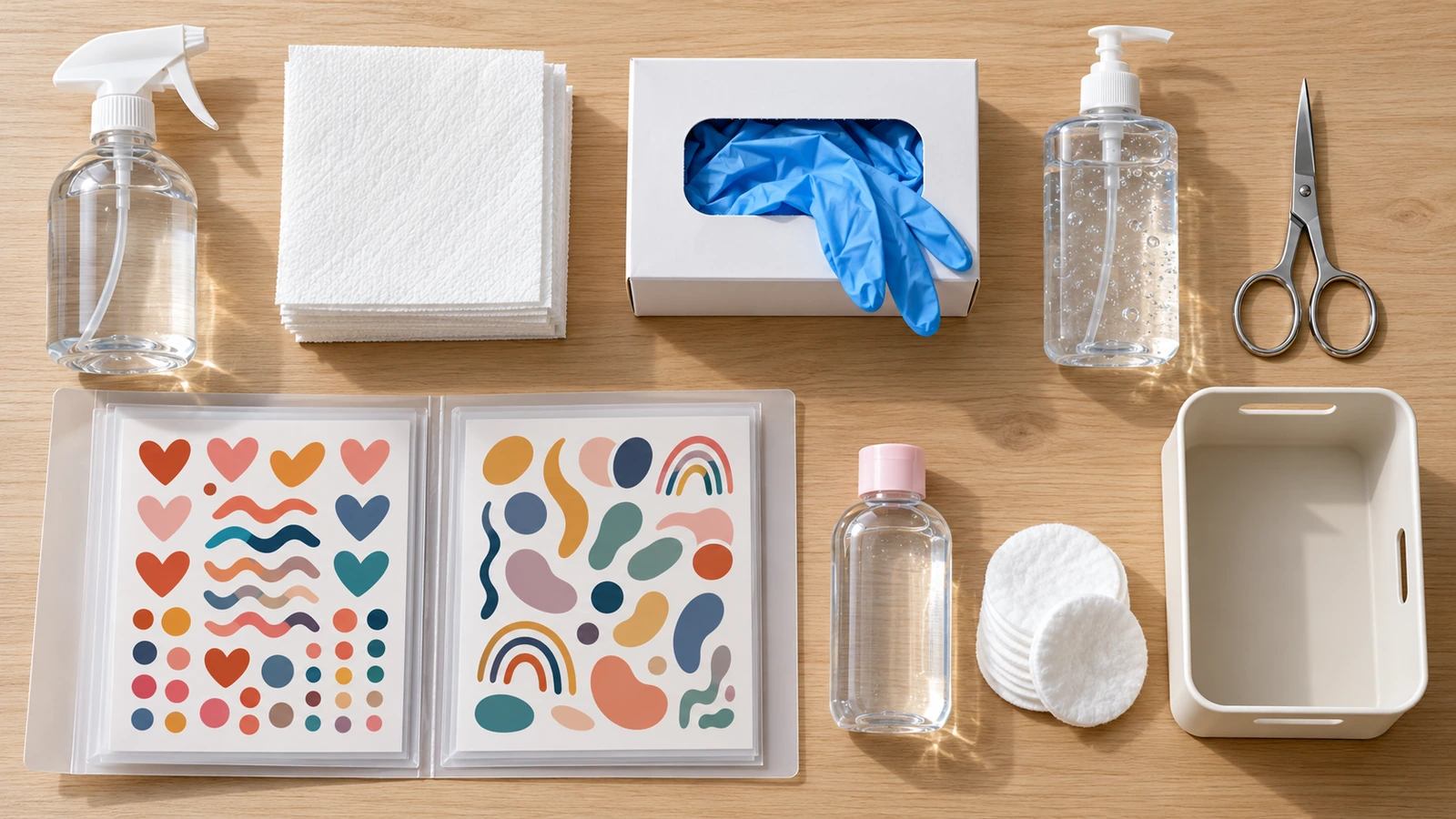
Learning how to put temporary tattoos on one person takes a minute. Doing the same thing 300 times in a crowded tent takes planning. Based on the step timings above, a practiced applicator needs about 75–90 seconds per palm-sized design, which works out to roughly 35–45 guests per applicator per hour once queue gaps are included. That figure is a planning estimate, not a measured guarantee. Before the event, run a timed rehearsal of 10 applications with your actual sheets and staff. Plan several minutes per guest for arm sleeves or multi-piece designs.
Station item
Why it matters
Quantity rule of thumb
Pump spray bottle of clean water
Keeps the communal water supply free of skin contact
1 per applicator, refilled from sealed bottled water
Single-use paper towel squares
One per guest replaces a shared sponge
At least 1.5× expected guest count
Alcohol-free cleansing wipes
Removes sweat and sunscreen before application
1 per guest
Hand sanitizer or nitrile gloves
Applicators touch dozens of people every hour
Sanitize between every guest
Scissors (if sheets are not pre-cut)
Clean edges reduce lifting
1 pair per applicator plus a spare
Flat, sealed folder for sheets
Humidity and sweat can activate paper before use
1 per applicator
Baby oil and cotton pads
Immediate removal if a guest changes their mind or reacts
1 small bottle per station
Printed ingredient list and care card
Answers parent and allergy questions on the spot
Displayed, plus take-away cards
Lined waste bin
Used towels and backing papers pile up fast
1 per two applicators
Hygiene and consent rules for the crew
No shared sponges or bowls. Spray water onto a fresh towel square for each guest, then throw it away.
Ask before you touch. Confirm placement with the guest. For anyone under 18, get approval from a parent or guardian, and keep designs away from the eye area.
Offer a patch option. The FDA suggests trying a temporary tattoo on a less conspicuous spot before putting one on the face. Offer the inner wrist to guests who are unsure.
Know the stop signal. If a guest reports stinging, burning, or itching, remove the tattoo with oil right away and wash the area. The American Academy of Dermatology's guidance on tattoo skin reactions[3] explains when a reaction needs a dermatologist. Blistering or spreading redness should always be checked by one.
Reject suspicious stock. If a batch smells strongly of solvent or the black ink looks green or grey on the sheet, do not apply it. Reviewers have reported both problems with reformulated products.
Kids' events need extra planning. When a design is marketed mainly as a children's plaything, it may also fall under toy rules. The CPSC's toy safety guidance[4] explains that Section 106 of the CPSIA made ASTM F963 mandatory for children's toys. Ask your supplier which framework their documentation covers, and do not assume a cosmetic test report answers toy-safety questions.
Where to Place It: Body Area vs. Wear Time
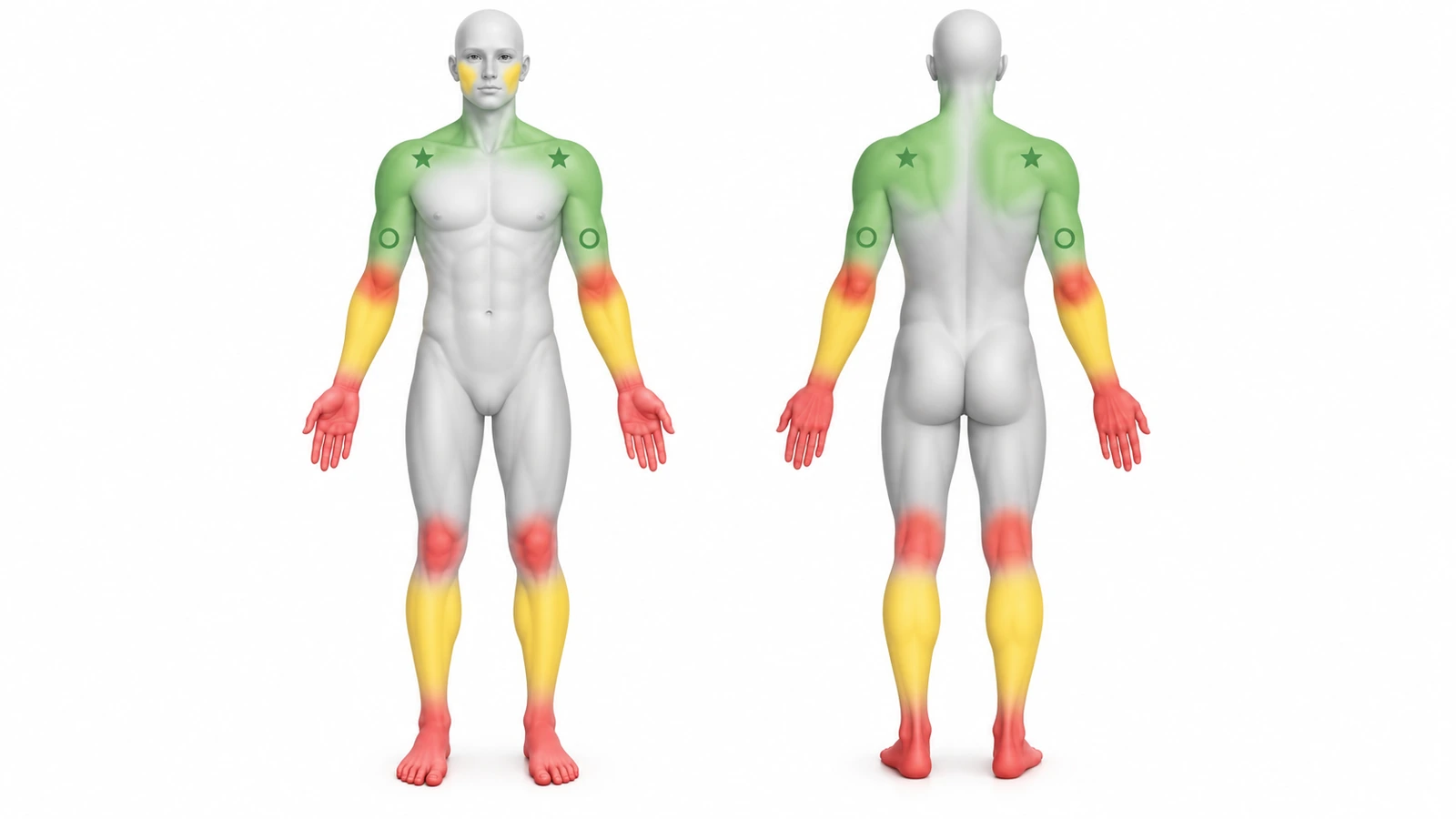
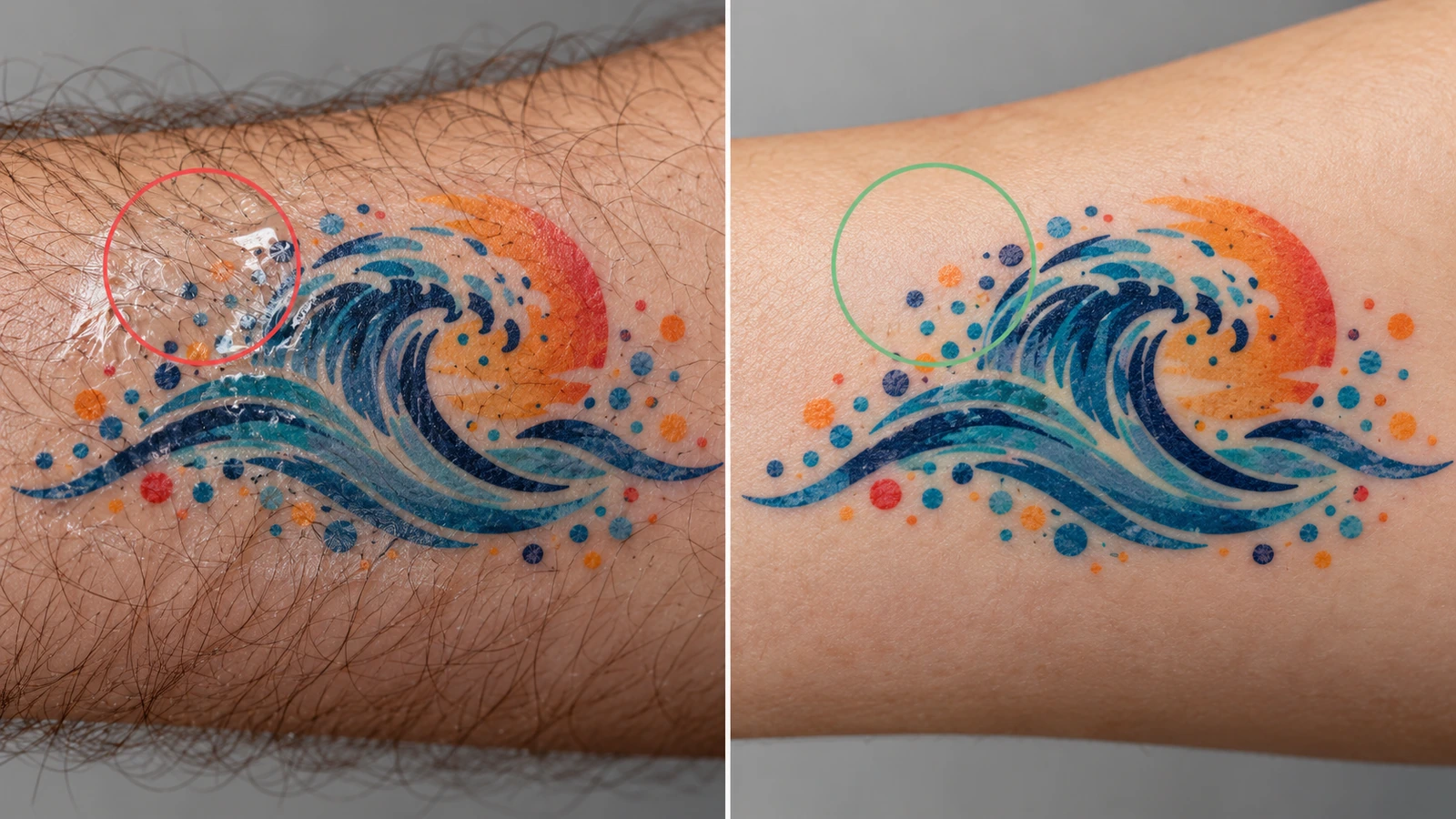
Placement affects wear time more than almost anything else you control on the day. Industry guidance commonly puts water-transfer designs at about 1–2 days on high-friction areas such as fingers and hands, and about 4–5 days on low-friction areas. Some buyers report close to two weeks on an inner forearm. Arm hair is the biggest adhesion problem. One reviewer cleaned their skin with rubbing alcohol and still saw lifting within 4 minutes, with an air bubble at every hair.
Hours to about two days, and the design cracks on joints
Only when it just needs to last the event
Placement is also why many adults use temporary designs before getting permanent ones. A 2024 industry survey covered by USA Today[5] found that 68% of people with tattoos regret the design itself. Wearing a design for a few days on the exact spot is a cheap way to check size and position before committing.
How to Remove Temporary Tattoos Without Irritating Skin
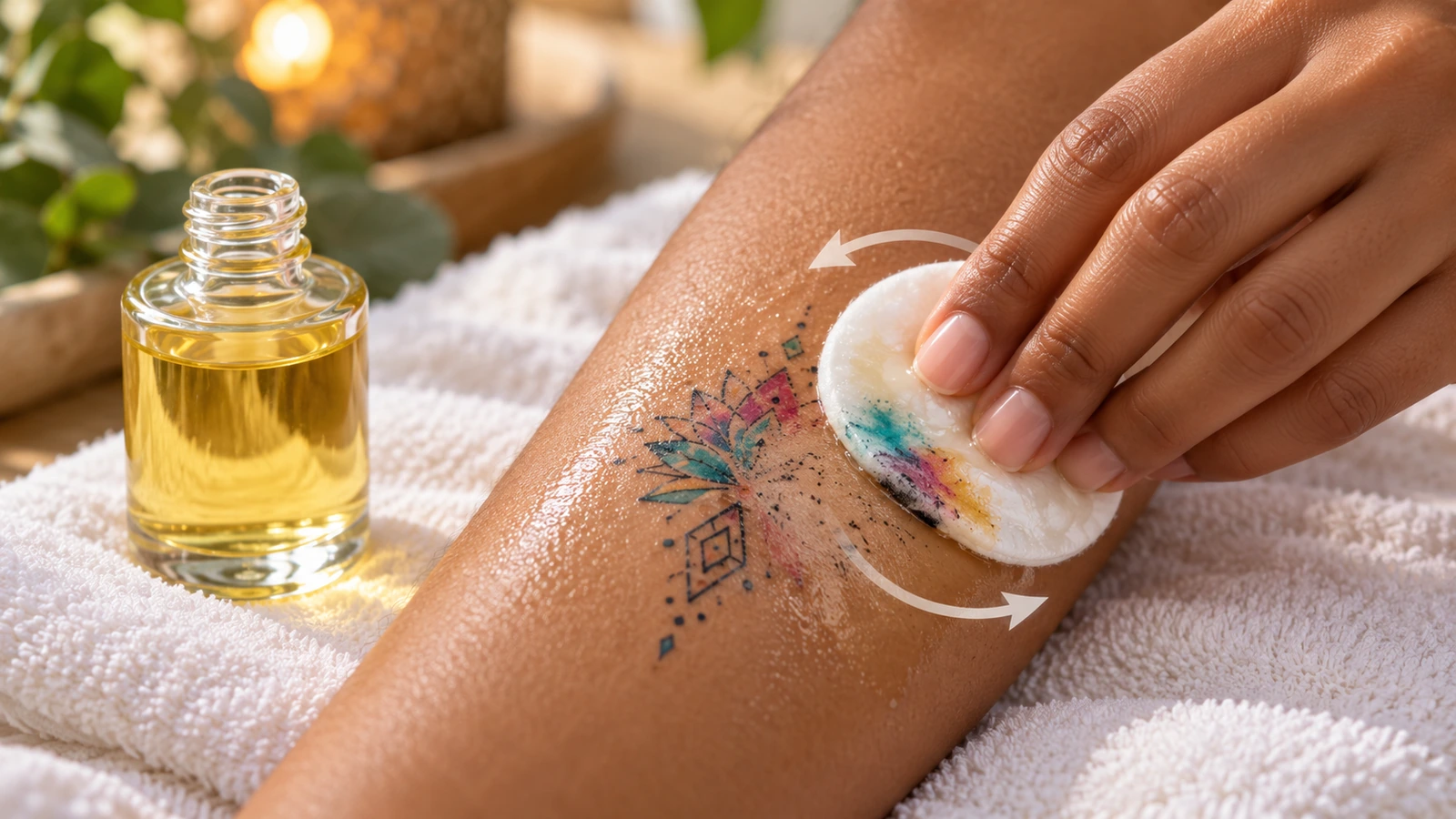
Oil-based removal is the most reliable method and the gentlest on skin. Soak a cotton pad in baby oil, coconut oil, olive oil, or an oil-based makeup remover. Hold it on the design for 1–2 minutes, then wipe in small circles and wash off the oily residue with soap and water. Large designs worn for a week or longer take more time. One reviewer reported an hour of baby-oil scrubbing on full sleeves, and another found that a silicone body scrubber used in circles worked much faster.
Method
How well it works
Skin impact
Notes
Baby oil or mineral oil
High on oil-soluble inks
Gentle
Best default for kids and faces
Coconut or olive oil
High
Gentle
Good take-home option for guests
Oil-based makeup remover
High
Gentle to moderate
Handy for face designs
Rubbing alcohol
Works on some formulas
Drying and stings broken skin
Adults only, and never near eyes
Soap and water
Low on most transfer inks
Gentle, but leads to over-scrubbing
Fine as a follow-up wash
Nail polish remover (acetone)
High
Harsh
Not recommended. Reviewers who used it describe it as a last resort
Never scrub until the skin turns red. If the design will not move, apply another oil soak and wait. Mild irritation from friction is common. Itching or rash that develops a day or two after removal points to a possible reaction to an ingredient rather than to the removal itself. A peer-reviewed review of cutaneous adverse reactions indexed in PubMed Central[6] describes allergic contact dermatitis following sticker application, which is why the stop rules in your crew briefing matter.
Troubleshooting Compared: Symptom, Cause, Fix
Symptom
Most likely cause
Fix at the booth
Prevent next time
Only part of the image transferred
Uneven wetting or peeling too early
Remove with oil and reapply a fresh one
Hold a fully soaked cloth for 30–60 seconds and test a corner first
Edges lift within hours
Lotion, sweat, clear film left past the art, or a joint location
Press the edges with a damp towel, then dust with powder
Trim closer, round the corners, and use a low-friction zone
Bubbles and lifting over hair
Adhesive bonds to hair instead of skin
Move to a less hairy spot
Choose a hair-free zone. Do not shave on site, because fresh shaving irritates skin
Cracks after a few hours
Skin stretching over an elbow, knee, or wrist
Accept it or remove it
Avoid flex points for large designs
Wrinkles in a large design
Sheets stored rolled up or curled
Work from the center outward and re-wet the edges
Flatten sheets under books for 24 hours and store them flat
Shiny, sticker-like look
The film's gloss shows on skin
Pat on baby powder or cornstarch once dry
Ask about matte finishes when you order
Faint or blurry result
Low-resolution artwork or a poor transfer
Reapply once. If it is still poor, pull the batch
Approve a physical skin test before production
Redness, itching, burning
Sensitivity to the adhesive or a colorant
Remove with oil, wash, and stop
Offer patch tests and keep the ingredient list on display
The fixes for faint or blurry results and for the shiny look are decided before printing, at the proof and format stage. Those decisions are covered on the product page for custom tattoo sheets, including how to check a proof before approving production.
Printable Attendee Instructions
Many guests take a tattoo home in a goodie bag instead of getting it applied at the booth. A short care card cuts down on "it didn't work" complaints. Copy, shorten, or translate this version:
Apply: Clean, dry, hair-free skin with no lotion. Cut out the design and peel off the clear film. Press it face-down. Hold a soaking-wet cloth on it for 30–60 seconds. Slide the paper off and let it dry without touching.
Make it last: Avoid scrubbing, oily sunscreen, and rubbing straps. Pat dry after showering.
Remove: Soak with baby oil or another oil-based cleanser for 1–2 minutes, wipe gently, then wash.
Stop if: It itches, stings, or turns red. Remove it and wash the skin. Ask a doctor if a rash appears. Try it on your wrist first before using it on your face. Not for broken or sunburned skin.
For multi-day events, add one more line: "Expect a day or so on hands and wrists, and several days on the upper arm or shoulder." Giving guests a realistic range up front prevents the gap between expectation and result that drives most negative reviews.
FAQ
FAQ: How long do water-transfer temporary tattoos last?
The FDA describes decal temporary tattoos as lasting from about a day to a week or more. Where you place it decides where in that range it falls. Hands and wrists may last only hours to two days, while shoulders and upper backs often last several days. Sweat, oily products, swimming, and clothing friction all shorten wear time.
FAQ: Why won't the tattoo come off with soap and water?
Many water-transfer inks and adhesives are oil-soluble, so water-based soap barely loosens them. Use baby oil, coconut oil, or an oil-based makeup remover, let it soak for 1–2 minutes, and then wipe. Wash afterward to remove the oil.
FAQ: Can children wear temporary tattoos at events?
Yes. The FDA notes that decal tattoos are especially popular with children, but it has also received reports of adverse reactions. Get a guardian's consent, keep designs away from the eyes, use oil for removal instead of alcohol, and check whether your supplier's documentation covers cosmetic rules, toy rules, or both.
FAQ: Is it safe to put a temporary tattoo on the face?
The FDA suggests trying a temporary tattoo on a less conspicuous part of the body first. At events, test on the inner wrist, wait a few minutes, and only then apply to the cheek. Avoid the eyelids and the area right around the eyes.
FAQ: Are temporary tattoos "FDA approved"?
No finished temporary tattoo is FDA approved. The agency regulates the color additives, which must be approved for skin use, and requires an ingredient list on retail packs. The FDA's import alerts on decals specifically list products labeled "FDA approved" as one of the problems.
FAQ: Is a sticker tattoo the same as black henna?
No. Black henna is a paste that often contains PPD, a hair-dye ingredient that is not permitted in cosmetics applied to the skin. Clinical reports such as a 2002 JAMA Dermatology case series[7] link black henna to dermatitis in patients who tested positive for PPD. Never offer black henna alongside a sticker activation.
FAQ: Do tattoo-ink regulations apply to temporary tattoo stickers?
Mostly not. The European Union's restrictions described by ECHA[8] cover thousands of hazardous substances in inks that are injected into the skin. Surface decals usually fall under cosmetic rules, or toy rules for children's products. Do not accept an injected-ink compliance claim as proof that a sticker is safe.
FAQ: What should I ask a supplier before the event?
Ask for the ingredient list, confirmation that the colorants are permitted for skin use, the responsible party's contact details, and the facility's status under the Modernization of Cosmetics Regulation Act (MoCRA)[9], which requires covered facilities to register with the FDA and renew every two years. The FDA's Cosmetics Labeling Guide[10] shows what a compliant retail label includes.
FAQ: How are temporary tattoos different from permanent tattoo risks?
Permanent tattoo inks are injected into the skin, and the FDA's Cosmetics Safety Q&A on tattoos[11] notes that no color additives are approved for that use. Decals stay on the surface and come off with oil. The agency still reports allergic reactions to some temporary tattoos, so the patch-test and stop rules above still apply.
Key Takeaways
Set realistic expectations: decal tattoos fade naturally and do not last indefinitely. — About 1 day to a week or more (Source)
Retail packs must carry an ingredient list, so keep one at every station. — Labeling rules in 21 CFR Part 701 (Source)
Trial placement is worth it for anyone considering a permanent design. — 68% of tattooed people regret the design itself (Source)
Children's designs may need toy-safety documentation in addition to cosmetic compliance. — CPSIA Section 106 made ASTM F963 mandatory for toys (Source)
Ask suppliers about their MoCRA facility registration before a large event. — Registration renews every 2 years (Source)
Conclusion
Temporary tattoo activations rarely fail because of the idea. They fail because staff improvise. Standardize the six steps, fix soak time at 30–60 seconds, give every guest a fresh towel square, steer designs to low-friction and low-hair skin, and send everyone home with an oil-removal card. Run a 10-application rehearsal so your staffing plan is based on real timings rather than guesses.
If you are still planning the artwork, our team can prepare sheets built for the placements and removal routine described here. Explore our custom temporary tattoo sheets for events, brands, and parties and send us your artwork and event details for a quote.
Hi there! I'm Bruce, proud dad to my amazing son. I'm the founder of Zigpac, a printing and packaging company empowering small and medium-sized businesses with custom solutions. Let's create something great together!



 Blog PDF for offline reading












The information below is required for social login
Sign In
Create New Account